

When Tooth Loss Happens, Timing Is Everything Losing a tooth isn’t just a cosmetic issue;…
Can Diabetics Get Dental Implants Safely? What New Research Says About Success Rates
Around Smyrna, whether you are commuting through South Cobb Drive, grabbing coffee near Market Village, or spending weekends around Vinings, tooth loss is more common among diabetic adults than many people realize. What surprises most patients is not the missing tooth itself. It is the uncertainty that follows. Many assume diabetes automatically disqualifies them from dental implants, especially if they have heard stories about healing complications, infections, or implant failure.
In reality, the conversation has changed significantly over the last decade. Newer clinical research shows that many diabetic patients can successfully receive implants when blood sugar levels, gum health, and healing risks are managed properly before surgery.
If you have diabetes and are considering dental implants, the team at Creekview Dental can help you understand your options with a personalized evaluation focused on healing, long-term stability, and risk reduction. Dr. Noah Shafer and his team take the time to assess gum health, bone support, and blood sugar-related factors before recommending treatment, so you can move forward with greater clarity and confidence. Contact Creekview Dental to learn whether implant treatment is a safe and predictable option for your smile.
Why Diabetes Creates Concerns Around Implant Surgery
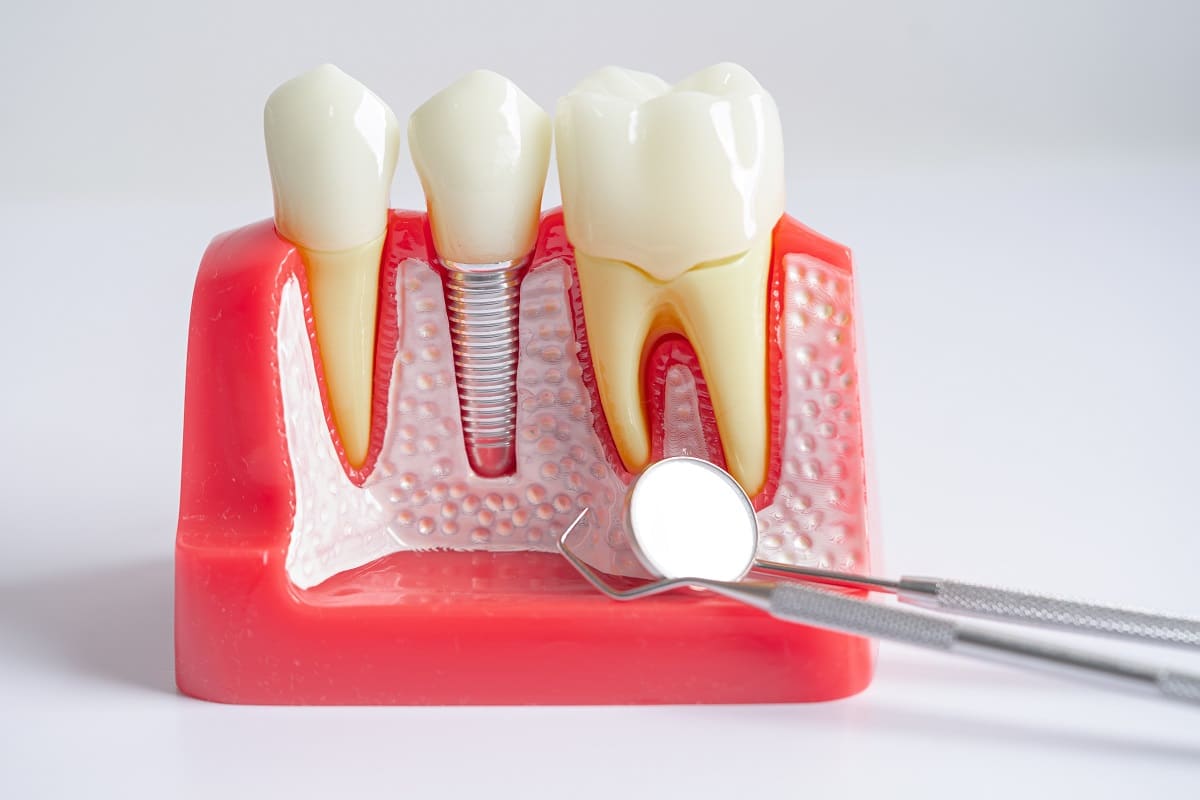
Dental implants rely on one critical biological process called osseointegration. That simply means the titanium implant must fuse with the jawbone after placement. Diabetes can interfere with this process because elevated blood sugar affects circulation, inflammation control, and tissue healing.
This does not mean implants fail automatically in diabetic patients. The bigger issue is whether the diabetes is controlled or uncontrolled at the time of surgery.
Patients with consistently high glucose levels often experience:
- Slower healing after extractions or surgery
- Increased gum inflammation
- Reduced immune response
- Higher bacterial growth around surgical sites
- Greater risk of bone loss over time
Dentists commonly notice that poorly controlled diabetics may heal normally for the first few weeks, then suddenly develop lingering inflammation or delayed tissue closure later in recovery. This delayed complication pattern is something many patients do not expect.
What New Research Actually Shows About Implant Success Rates
Earlier studies from years ago often grouped all diabetic patients, which created confusion about actual risk levels. More recent research separates controlled diabetes from uncontrolled diabetes, and the outcomes look very different.
Patients with well-managed Type 2 diabetes now show implant success rates close to those of non-diabetic patients in many long-term studies. The difference usually comes down to three factors:
- A1C stability before surgery
- Existing gum disease
- Smoking status
Researchers have also found that diabetic patients benefit significantly from structured maintenance programs after implant placement. In practical terms, patients who return regularly for cleanings and gum evaluations tend to maintain healthier implants long term.
Many diabetic patients also want to know whether implants remain reliable years after placement, especially when managing a chronic condition long-term. Read our guide on How Long Do Dental Implants Last? A Complete Guide to Their Lifespan to understand what affects implant durability and which habits can increase the risk of early complications.
At practices offering implant treatment, many patients asking about full mouth dental implants are surprised to learn that diabetes itself is often not the deciding factor. Chronic inflammation and untreated periodontal disease usually create bigger problems than the diagnosis alone.
The Blood Sugar Number Dentists Pay Attention To
One of the most common questions patients ask is whether there is a “safe” A1C level for implant surgery.
There is no universal cutoff used by every dentist or oral surgeon, but many providers become cautious when A1C levels rise significantly above controlled ranges. Higher readings often correlate with delayed healing and increased infection risk.
However, dentists rarely make decisions based on one lab number alone.
They also evaluate:
- How stable blood sugar has been over time
- Whether gum disease is active
- History of slow wound healing
- Dry mouth severity
- Smoking or vaping habits
- Bone density in the jaw
A patient with moderately elevated A1C but excellent oral hygiene may heal better than someone with a lower A1C and severe periodontal disease.
This is where individualized treatment planning matters.
The Mistake Many Diabetic Patients Make Before Implant Surgery
A recurring pattern many dentists see involves patients improving glucose control only a few days before surgery.
Short-term improvement does not reverse months or years of inflammatory stress inside the body. Bone metabolism and immune response do not normalize overnight.
Another issue involves patients stopping periodontal maintenance once the pain disappears. Diabetes and gum disease tend to reinforce each other. When gum inflammation remains untreated, implant complications become more likely later.
Some patients also assume antibiotics alone will protect them after surgery. While antibiotics can reduce bacterial risk temporarily, they do not compensate for poor glucose management or heavy plaque accumulation.
Why Gum Health Often Matters More Than Patients Expect
Many diabetic patients seeking implants are already dealing with underlying bone loss caused by periodontal disease.
This matters because implants need stable surrounding bone and healthy gum tissue to remain secure long term.
Dentists frequently encounter situations where a patient believes a failed tooth came from “bad genetics” when the larger issue was undiagnosed inflammatory gum disease connected to diabetes.
In some cases, treating the gum condition first becomes more important than placing the implant immediately.
Patients exploring dental implants in Smyrna sometimes focus heavily on price comparisons without realizing that proper periodontal stabilization dramatically affects implant longevity. Lower upfront costs do not always translate into better long-term outcomes if infection risk is ignored.
Not Every Diabetic Patient Faces the Same Risk
One misconception is that all diabetic patients experience similar healing challenges. That is not true clinically.
For example:
- A patient with controlled Type 2 diabetes and excellent oral hygiene may heal predictably.
- A patient with uncontrolled diabetes, smoking history, and advanced bone loss may require staged treatment and longer healing periods.
- Some insulin-dependent patients heal exceptionally well because they closely monitor their health overall.
- Older diabetic patients with dry mouth sometimes struggle more with bacterial imbalance than younger patients with higher glucose readings.
These variations explain why proper diagnostics matter before treatment starts.
Dentists may recommend:
- 3D imaging
- Periodontal evaluation
- Bite analysis
- Bone grafting assessment
- Medical consultation with a physician when needed
The goal is not simply to place an implant. It is to create conditions where the implant can remain healthy for years.
Early Warning Signs Patients Should Not Ignore
Implant complications in diabetic patients are often subtle at first.
Patients frequently expect severe pain if something is wrong, but early failure signs are usually quieter.
Warning signs can include:
- Persistent gum redness around the implant
- Delayed healing beyond expected timelines
- Bleeding during brushing
- Mild pressure discomfort when chewing
- Bad taste near the implant area
- Receding gum tissue
- Implant mobility, even slight movement
One important observation dentists make is that diabetic patients sometimes dismiss early inflammation because they assume “some irritation is normal after surgery.” Delaying evaluation can allow bone loss to progress silently.
When Patients Are Good Candidates Despite Diabetes
Patients are often surprised to learn they may still qualify for implants even after years of diabetes.
Successful cases usually involve:
- Stable medical management
- Consistent oral hygiene
- Healthy gum tissue
- Realistic expectations
- Commitment to follow-up care
At Creekview Dental, treatment discussions focus heavily on risk reduction and long-term maintenance rather than rushing into surgery. That approach often helps patients make more informed decisions while avoiding preventable complications.
For many diabetic patients, the real issue is not whether implants are possible. It is whether the underlying conditions supporting long-term healing are being managed appropriately. Modern research continues to show that with careful planning, proper maintenance, and realistic expectations, successful outcomes are achievable for many individuals. We believe informed decisions and early intervention often make the biggest difference in protecting oral health long term.
FAQs
Can controlled diabetes still allow successful implant treatment?
Yes. Many patients with controlled diabetes successfully receive implants when inflammation and gum health are properly managed.
Is implant failure guaranteed if blood sugar fluctuates?
No. Temporary fluctuations are common. Persistent uncontrolled diabetes creates greater concern than occasional variation.
Do diabetic patients need longer healing times?
Sometimes. Healing may progress more slowly, especially if circulation or immune response is compromised.
Are implants safer than dentures for some diabetic patients?
In many cases, implants improve chewing stability and reduce irritation caused by loose dentures, but suitability depends on bone health and medical history.
Can gum disease return around implants?
Yes. If maintenance is neglected, implants can develop inflammatory conditions similar to periodontal disease.
Should smokers with diabetes avoid implants?
Smoking significantly increases implant complications in diabetic patients. Dentists often recommend quitting before surgery.
What happens if an implant fails?
Failed implants can sometimes be removed, the area treated, and another implant placed later after healing improves.
Are mini implants better for diabetics?
Not automatically. The best implant option depends on bone volume, bite force, and overall treatment goals.
Related Posts