

Around Smyrna, whether you are commuting through South Cobb Drive, grabbing coffee near Market Village,…
Struggling With Missing Teeth? Here’s How Implants Can Change That

In a close-knit community like Smyrna, daily life often revolves around conversations—chatting with neighbors, attending local events, or catching up with friends at your favorite café. When you’re worried about gaps in your smile, even simple social moments can feel stressful. Many people quietly adapt by covering their mouths when they laugh or avoiding photos altogether.
If you’ve been dealing with missing teeth, you’re not alone. Tooth loss affects millions of adults and can influence not just appearance, but speech, chewing comfort, and self-confidence. Understanding today’s treatment options can help you regain both function and peace of mind—and that’s exactly what this guide will walk you through.
Why Missing Teeth Affect More Than Your Smile
Tooth loss is often viewed as a cosmetic issue, but clinically, it’s much more complex. When a tooth is missing:
-
Adjacent teeth may shift out of alignment
-
Jawbone density can gradually decline
-
Bite pressure becomes uneven
-
Speech clarity may change
According to the American Dental Association, replacing missing teeth is important not only for aesthetics but also for maintaining oral health stability and preventing long-term complications.
How Implants Restore Confidence
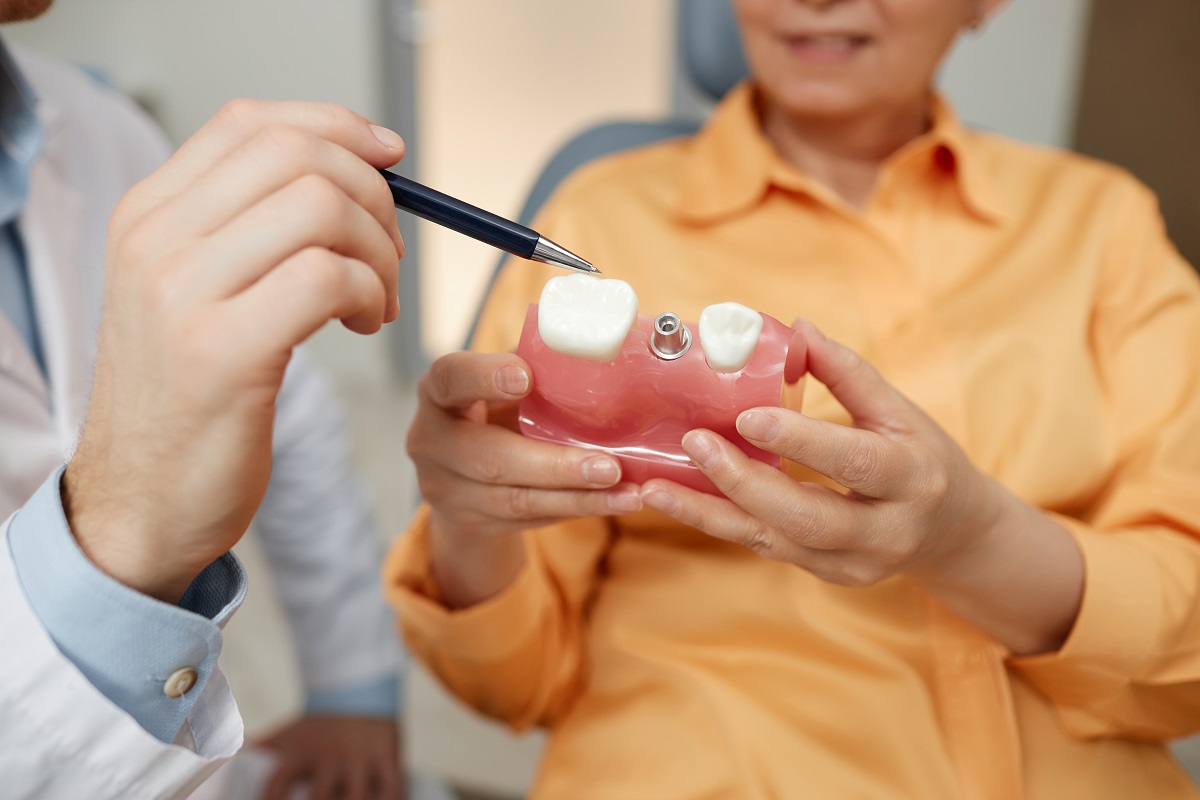
Dental implants replace both the root and visible portion of a missing tooth, creating a stable, natural-looking result. Because they integrate with the jawbone, they restore chewing ability, support facial structure, and eliminate the worry of slipping dentures—helping patients feel comfortable speaking, eating, and smiling again.
What Makes Implants Different From Other Options?
Traditional solutions like bridges or removable dentures can restore appearance, but they don’t fully replicate natural tooth structure. Implants stand apart because they function as artificial tooth roots anchored in bone.
Structural Advantages
-
Prevent bone loss by stimulating the jaw
-
Preserve neighboring teeth
-
Offer long-term durability
Lifestyle Advantages
-
No adhesives or removal routines
-
Stable while eating or speaking
-
Designed to match natural teeth
Who Is a Candidate for Implant Treatment?
Most healthy adults with adequate bone density qualify. Even if bone loss has occurred, procedures such as grafting can often rebuild support. Ideal candidates typically:
-
Have healthy gums
-
Don’t smoke or are willing to quit during healing
-
Maintain good oral hygiene habits
A professional evaluation is necessary to confirm eligibility and determine the best treatment plan.
Local Treatment Options That Feel Natural
Patients seeking permanent tooth replacement in the Smyrna area often prioritize results that look and feel authentic. Modern implant systems are custom-designed using digital imaging and precision planning to ensure proper alignment, bite balance, and aesthetics.
Clinicians providing advanced implant restorations close to Smyrna focus on individualized treatment—matching tooth shade, contour, and spacing so the final result blends seamlessly with surrounding teeth.
The Confidence Factor: Emotional Benefits Patients Notice
Restoring a missing tooth isn’t just functional—it’s psychological. Patients frequently report:
-
Feeling more comfortable in conversations
-
Smirking and smiling without hesitation
-
Improved self-image in professional settings
-
Reduced anxiety about eating in public
Confidence plays a measurable role in social interaction and personal well-being. When oral function improves, emotional comfort often follows.
Step-by-Step Overview of the Implant Process
1. Consultation and Imaging
Digital scans and X-rays evaluate bone structure, gum health, and spacing.
2. Implant Placement
A small titanium post is placed in the jawbone. Healing time allows the bone to fuse with the implant.
3. Abutment and Crown
A connector piece and custom crown are attached, completing the restoration.
Most patients find the process easier than expected, especially with modern anesthesia and guided techniques.
Longevity and Maintenance
With proper care, implants can last decades. Maintenance is similar to caring for natural teeth:
-
Brush twice daily
-
Floss or use interdental cleaners
-
Attend routine dental checkups
Clinical studies in peer-reviewed dental journals consistently show high long-term success rates for implants when oral hygiene and professional care are maintained.
For a step-by-step guide on keeping your restoration in top condition, explore our blog Master the Art of Brushing and Flossing with Dental Implants to learn proper techniques that protect both your implants and overall oral health.
When Should You Replace a Missing Tooth?
Delaying replacement may allow surrounding teeth to drift and bone loss to progress. Early treatment often simplifies the process and preserves oral structures. If you’ve recently lost a tooth or have had a gap for years, it’s worth discussing your options with a dental professional.
Why Professional Guidance Matters
Implant treatment requires careful planning, anatomical knowledge, and precise placement. Working with an experienced dental team ensures:
-
Accurate diagnosis
-
Safe surgical technique
-
Predictable cosmetic outcomes
At Creekview Dental, patients receive personalized evaluations and treatment plans tailored to their oral health, goals, and comfort level. Scheduling a consultation is the first step toward restoring both your smile and your confidence.
Frequently Asked Questions
Do dental implants look natural?
Yes. Modern implant crowns are designed to match the color, translucency, and shape of surrounding teeth, making them virtually indistinguishable.
Is the implant procedure painful?
Most patients report minimal discomfort. Local anesthesia and advanced techniques help ensure the process is comfortable.
How long do implants last?
With proper care and regular dental visits, implants can last 20 years or more, and often a lifetime.
Can older adults get implants?
Age alone is not a limitation. Overall health and bone quality matter more than age.
Are implants better than dentures?
They can be, depending on your needs. Implants offer greater stability and bone preservation, while dentures may be suitable for certain cases.
How soon after tooth loss can I get an implant?
In some situations, placement can occur soon after extraction. In others, healing time or preparatory procedures may be recommended.
Related Posts