


A small crack in a tooth can feel easy to ignore, especially if the discomfort…
How Often Should You Actually See A Dentist- An Insight For Smyrna Residents
Life in Smyrna offers a balance of comfort and convenience, from relaxing weekends around Smyrna Market Village to dining out at some of the area’s favorite local spots. But in the middle of a busy routine, dental care often gets pushed aside until something starts to feel wrong. Many patients aren’t sure how often they should actually visit a dentist, especially when there’s no pain or visible concern.
The reality is that waiting for symptoms can lead to bigger, more costly dental issues. Regular checkups are not just about cleaning your teeth; they are essential for early detection, prevention, and maintaining long-term oral health. Understanding the right dental visit schedule can help you avoid unnecessary discomfort and keep your smile healthy year-round.

At Creekview Dental, patients receive personalized, prevention-focused care designed to fit their specific oral health needs. Dr. Noah Shafer and Dr. Timothy McNeely take a comprehensive approach, helping patients stay ahead of dental problems rather than reacting to them. From routine checkups to long-term care planning, their goal is to make every visit comfortable, informative, and effective.
If it’s been a while since your last dental visit or you’re unsure about the right schedule for your needs, now is the time to take action. Contact us today and stay one step ahead of potential dental issues.
How Often Should You Visit a Dentist?
So, how often should you visit your dental practitioner? Generally, most people should plan to see their dentist once every six months. This helps keep your teeth clean, allows early detection of issues such as gum disease or cavities, and ensures your overall oral health is on track. Regular cleanings help remove plaque buildup that regular brushing can’t.
However, this frequency may vary depending on your oral health needs. For example, if you have specific concerns, such as gum disease or a history of cavities, your dentist may suggest more frequent visits. If you have a history of dental issues, your dental care professional may also recommend seeing them more often. Your dental care professional can help determine the best plan based on your unique needs.
What Happens During a Routine Dental Check-Up?
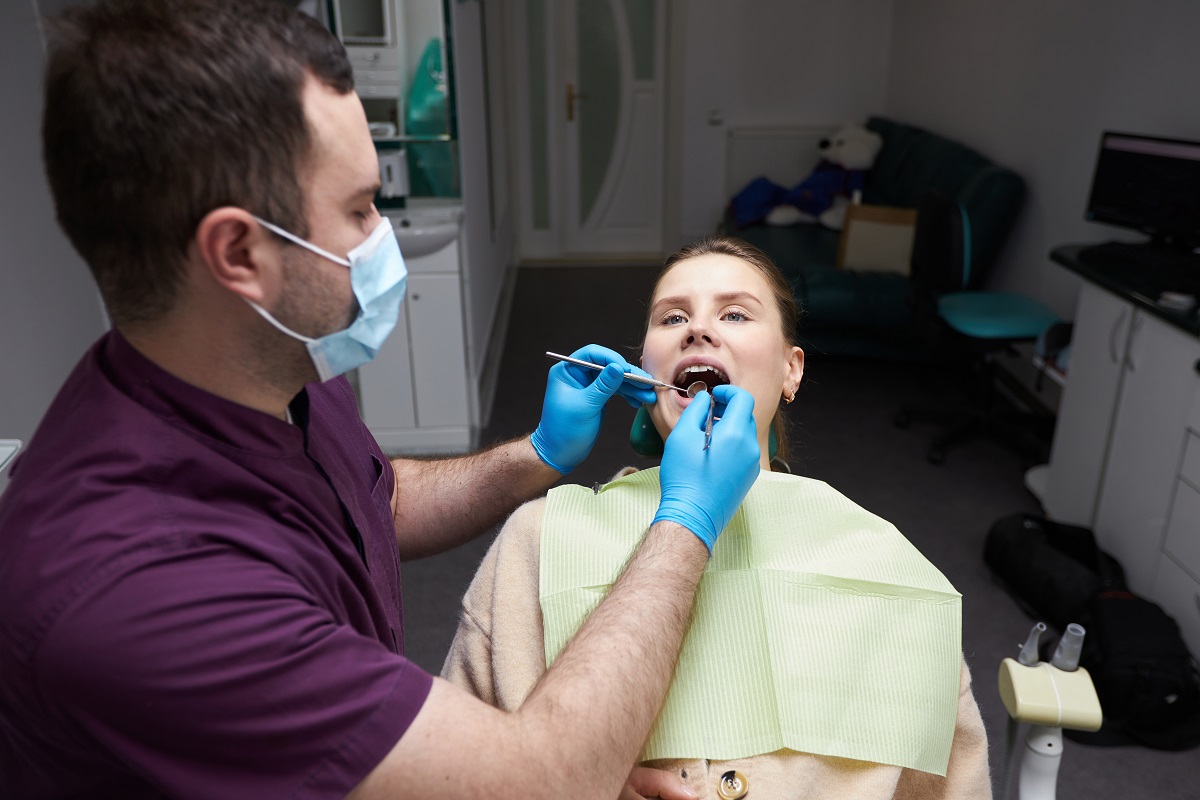
When you visit a Smyrna dental clinic for a check-up, here’s what to expect. First, your dental practitioner will thoroughly examine your teeth and gums for signs of cavities, gum disease, or other potential concerns. They will also check your mouth for any signs of oral cancer, especially if you are due for a routine screening. X-rays may be taken to provide a more detailed view of your teeth and jaw, allowing your dental practitioner to detect issues that are not visible during a standard exam.
Following the exam, a cleaning will be done to remove any plaque or tartar that might have accumulated. This is a critical step in preventing tooth decay and gum disease. Your dentist will also provide personalized tips on how to improve your at-home oral care routine.
Why Routine Visits Can Help Avoid Expensive Procedures
Seeing your dental practitioner regularly for check-ups can help catch small problems before they become big, expensive ones. Early detection of cavities, gum disease, or oral cancer can make treatments less invasive and less costly. In contrast, waiting until there’s significant pain or discomfort could lead to more extensive treatments like root canals, extractions, or even surgery.
By committing to routine visits, you’re investing in your long-term oral health and potentially saving money by avoiding costly dental procedures down the road.
When Should You See a Dentist More Often?
While most people only need to see a dentist every six months, there are instances when more frequent visits are necessary. If you experience any of the following, it’s time to talk to your dental care professional about increasing the frequency of your visits:
- Pain or discomfort: Any persistent toothaches or gum discomfort should be addressed promptly.
- Bleeding gums: If your gums bleed while brushing or flossing, this could be a sign of gum disease.
- Dry mouth or bad breath: Chronic dry mouth or persistent bad breath can indicate an underlying dental issue.
- Pregnancy: Women who are pregnant may need more frequent visits due to hormonal changes that affect oral health.
Your dental care practitioner can assess your condition and determine whether more frequent visits are required.
The Role of Prevention in Maintaining a Healthy Smile
Preventive care is the cornerstone of maintaining good oral health. By keeping up with regular check-ups and cleanings, you can avoid serious problems and maintain a bright, healthy smile. Brushing twice a day, flossing, and using mouthwash are all essential habits, but they can’t replace the expertise of a professional cleaning and exam.
If you haven’t had a check-up in the last six months, now is the perfect time to schedule an appointment.
Visit Creekview Dental for Your Next Check-Up
As a trusted dental office in Smyrna, Creekview Dental is dedicated to providing the most effective dental care possible for you and your family. Dr. Shafer and our friendly team are here to make your visit comfortable and ensure you leave with a healthy, bright smile. Whether it’s your first visit or your 20th, we’re committed to keeping your teeth in top shape.
We invite you to schedule your next check-up with us today. Let’s keep your smile healthy and beautiful for years to come!
FAQs:
- How often should I visit the dentist?
Generally, twice a year is recommended for most people. However, individuals with specific dental concerns might need to visit more frequently. Your dentist can give personalized advice. - Can I go longer than 6 months without a check-up?
While it’s possible, going longer than six months can lead to undetected issues like cavities or gum disease. It’s best to stick to a routine schedule to maintain oral health. - Do I need to see a dentist if I don’t have any pain?
Yes, regular visits are essential for catching problems early, even if you don’t feel pain. Many dental issues are painless at first but can worsen over time. - What should I do if I experience tooth pain between visits?
Schedule an appointment as soon as possible to prevent the issue from worsening. Early treatment can prevent more serious complications and save you from more intensive procedures. - How can I keep my teeth healthy between dental visits?
Brush twice a day, floss daily, and avoid sugary snacks. Regular check-ups and professional cleanings are key to long-term oral health.
Related Posts