

Busy school mornings in Smyrna often leave parents reaching for whatever snacks are quick, packed,…
Is Your Toddler Teething? Warning Signs and Safe Relief Methods
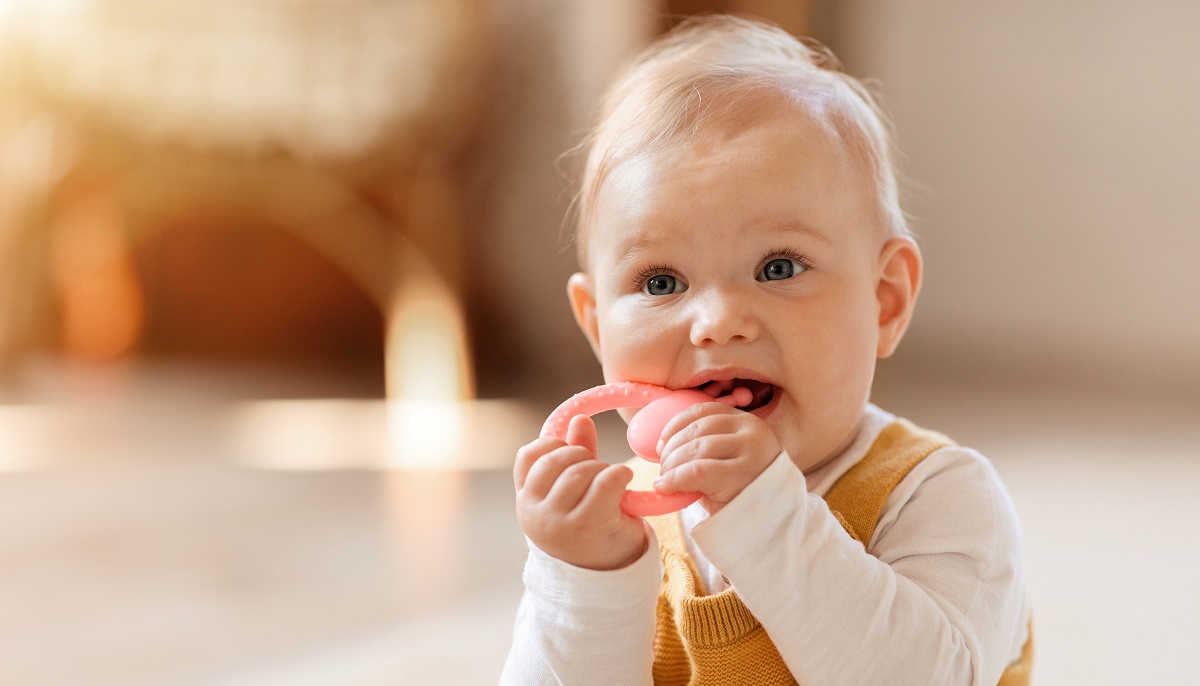
Parents across Smyrna, TN often notice sudden fussiness, restless nights, or unexpected drooling and wonder if teething is the cause. Many families in the community share similar concerns at playgrounds, daycare pickups, or pediatric visits—especially when symptoms appear before they expect them. Understanding what’s normal and what needs attention can make these early years far less stressful.
Local caregivers frequently ask whether irritability, mild fever, or chewing on toys signals new teeth coming in or something else entirely. Knowing the difference helps parents respond calmly, keep children comfortable, and avoid unnecessary worry. This guide explains what’s happening during toddler teething and how to manage it safely.

At Creekview Dental, families receive modern, comprehensive oral care designed to keep children comfortable from the very first visit. Dr. Noah Shafer and Dr. Timothy McNeely focus on gentle communication, child-friendly explanations, and a welcoming environment so young patients feel relaxed and confident. Schedule your child’s visit today and help them build healthy habits early.
What Is Toddler Teething?
Teething is the natural eruption of primary teeth through the gums. Most children begin this process around 6 months, but some toddlers continue erupting molars and canines until about age 3. The process can occur in phases, which explains why symptoms may appear, fade, and return weeks later.
Common Signs Your Toddler Is Teething
Behavioral Changes
-
Increased irritability
-
Frequent crying or clinginess
-
Disrupted sleep patterns
Physical Symptoms
-
Swollen or tender gums
-
Excess drooling
-
Chewing on fingers or objects
Mild Systemic Reactions
According to the American Dental Association, teething may cause mild discomfort and slight temperature elevation, but high fever, diarrhea, or rash are not typical teething symptoms and should be evaluated by a healthcare provider.
Safe Ways to Comfort a Teething Toddler
Parents often search for gentle, evidence-based relief methods. The following approaches are widely recommended:
Cold Therapy
Chilled (not frozen) teething rings or a cold washcloth can numb sore gums and reduce inflammation.
Gum Massage
Clean fingers gently rubbed along the gums can relieve pressure as teeth push through.
Age-Appropriate Teething Toys
Soft silicone or rubber teething toys help satisfy the urge to chew and stimulate gum circulation.
Pain Relief (When Necessary)
Pediatricians may recommend acetaminophen or ibuprofen in appropriate doses. Avoid numbing gels containing benzocaine unless advised by a healthcare professional.
When Symptoms Are Not Teething
Parents sometimes attribute unrelated symptoms to teething. Contact a healthcare professional if your child has:
-
Fever above 101°F
-
Persistent diarrhea or vomiting
-
Refusal to eat or drink
-
Severe irritability lasting more than 48 hours
These signs may indicate illness rather than tooth eruption.
Dental Care During Teething
Early oral care supports long-term health and helps children become comfortable with dental visits.
-
Wipe gums daily with a soft cloth before teeth erupt
-
Begin brushing with a soft brush once the first tooth appears
-
Use a smear of fluoride toothpaste after age 1 unless directed otherwise
-
Schedule the first dental visit by the first birthday
Families seeking guidance from a children’s dentist in Smyrna often find that early visits help toddlers adapt quickly to routine care.
How can I soothe a teething toddler safely?
Answer:
You can soothe a teething toddler by offering chilled teething rings, gently massaging the gums, providing safe chew toys, and using pediatrician-approved pain relievers when necessary. Avoid frozen objects, numbing gels without medical advice, and hard foods that could pose choking risks.
Teething Timeline Overview
Although every child develops at their own pace, most toddlers follow a predictable sequence:
-
6–10 months: lower central incisors
-
8–12 months: upper central incisors
-
9–16 months: lateral incisors
-
13–19 months: first molars
-
16–23 months: canines
-
23–33 months: second molars
If teeth appear much earlier or later than this range, a dental evaluation can confirm whether development is progressing normally. Many parents consult a pediatric dentist for reassurance during these stages.
Helping Your Toddler Adjust to Dental Visits
Children aren’t born afraid of dental care—they usually fear unfamiliar environments. Preparing them early helps build positive associations. Reading picture books about checkups, playing pretend dental games, or letting them watch a sibling’s appointment can make visits feel predictable and safe.
Parent Review Spotlight
“My daughter and I visited Creekview Dental for the first time today. The staff was friendly and helpful. Our cleanings were completed in a timely manner, and Dr. McNeely was quick to check in on us. Overall a great experience. Looks like we have found our new dentist!”
— Hilary Vaughn
Want to see more experiences from local families? Browse additional feedback on Google to learn how other parents feel about their visits.
When to Schedule a Dental Checkup for Teething Concerns
A professional evaluation is helpful if:
-
Teeth appear misaligned or delayed
-
Gums look unusually swollen or discolored
-
Your child resists eating for several days
-
You notice white or brown spots on new teeth
Early assessments allow clinicians to detect developmental issues and provide guidance before small concerns become bigger ones.
Supporting Healthy Development From the Start
Teething is a temporary stage, but the habits formed during this time can influence lifelong oral health. Understanding symptoms, responding with safe comfort strategies, and introducing children to dental care early all contribute to a positive foundation. If you have concerns about your toddler’s teething or oral development, contact Creekview Dental today to schedule a visit and get guidance for your child’s next stage.
FAQs About Toddler Teething
Do all toddlers experience teething pain?
No. Some children show minimal symptoms, while others experience noticeable discomfort. Variation is normal.
Can teething cause sleep regression?
Yes. Gum pressure can temporarily disrupt sleep cycles, but patterns usually return once the tooth erupts.
Are teething necklaces safe?
Most pediatric and dental organizations discourage them due to choking and strangulation risks.
Should I brush my toddler’s teeth if gums are sore?
Yes. Use a soft brush and gentle pressure. Cleaning teeth helps prevent plaque buildup, even during teething.
When should I worry about delayed teeth?
If no teeth appear by 18 months, consult a dental professional to rule out developmental concerns.
Related Posts