

When Tooth Loss Happens, Timing Is Everything Losing a tooth isn’t just a cosmetic issue;…
How Long Do Dental Implants Last? A Complete Guide to Their Lifespan
It is true that a gap between teeth not only affects your oral functioning but also disturbs your look. To solve this problem, dental implants have become a highly effective solution for replacing missing teeth. There are multiple reasons why people choose this alternative, and the most significant one is its durability and longevity. However, do you know how long dental implants last? Continue till the end to get comprehensive information.
What are Dental Implants?
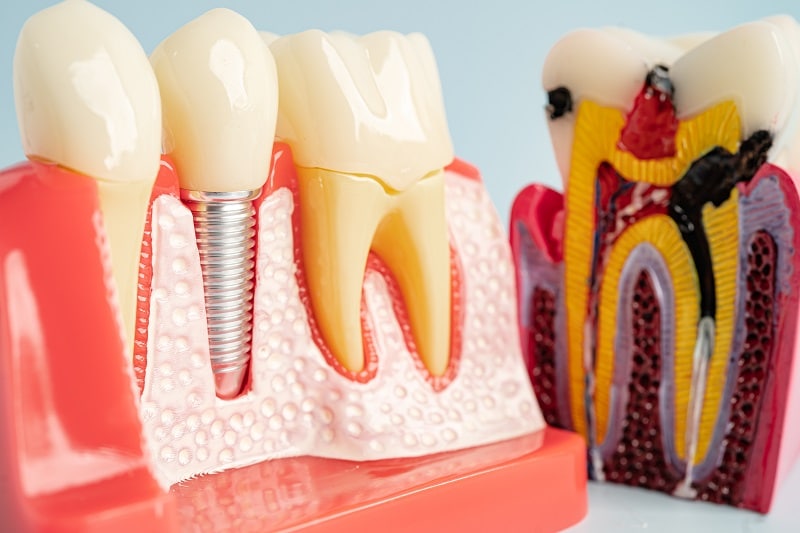
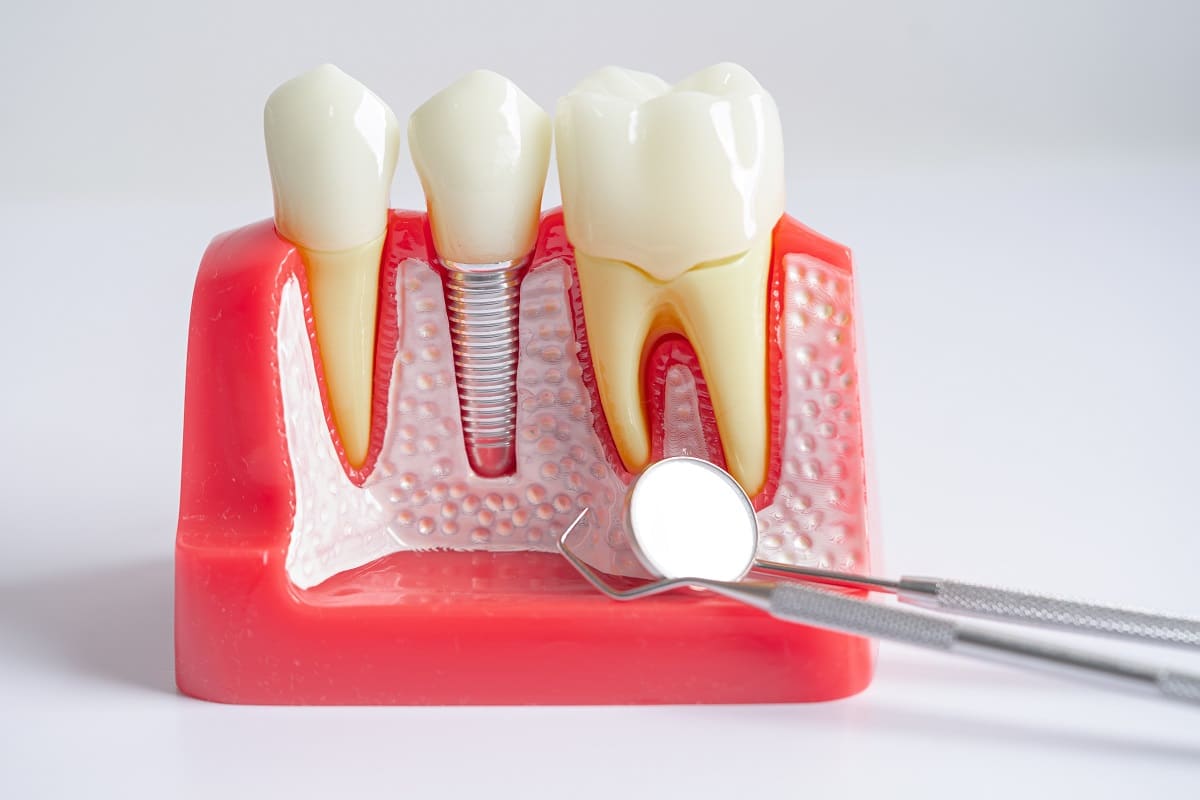
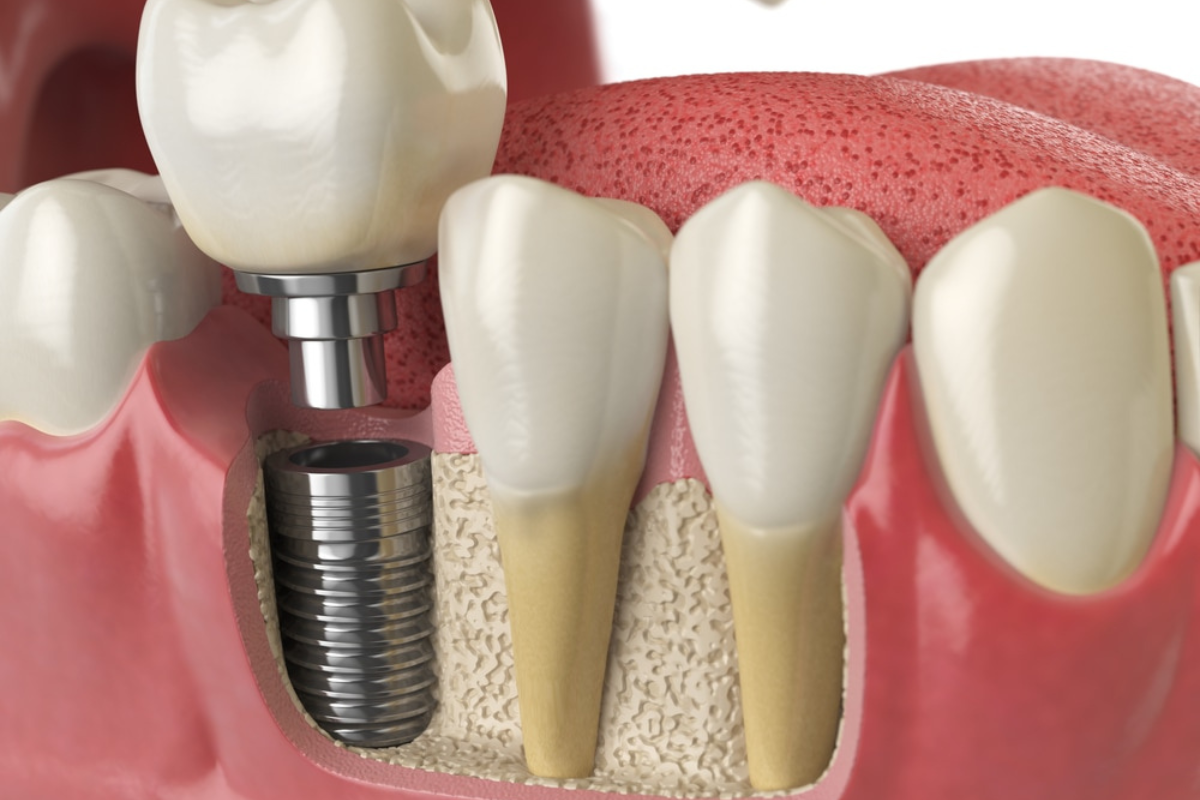
Dental implants are placed into the jawbone to act as artificial roots for missing teeth. These titanium roots integrate with the bone through a natural process called osseointegration, providing a stable base for prosthetic teeth, such as crowns, bridges, or dentures. The high success rate and ability to mimic natural tooth functionality make them a popular choice worldwide.
Longevity of Dental Implants
One of the major concerns about dental implants is their durability. With proper care, dental implants themselves (the titanium post) can last a lifetime, while the attached prosthetic crown may need replacement every 10–15 years due to wear and tear. However, several factors influence their lifespan, including:
-
Oral Hygiene
Dental implants require the same care as natural teeth. Poor oral hygiene can lead to peri-implantitis, an infection that affects the tissues around the implant and can result in bone loss and implant failure. Maintaining good oral hygiene practices, such as regular brushing, flossing, and professional cleanings, ensures the longevity of dental implants.
-
Teeth Grinding
Bruxism, or teeth grinding, can exert excessive force on implants, potentially leading to complications such as fractures in the crown or loosening of the implant. To mitigate this risk, dentists often recommend custom night guards for individuals with bruxism.
-
Chewing and Biting Habits
Chewing or biting hard objects, such as ice, pens, or hard candies, can damage the crown attached to the implant. Although the titanium implant post is highly durable, excessive pressure can still weaken the prosthetic components. Avoiding such habits helps maintain the integrity of the restoration.
-
Lifestyle Choices
Lifestyle choices, such as smoking or chewing tobacco, can significantly affect the success and longevity of dental implants. Smoking delays healing after surgery and increases the risk of peri-implantitis. Adopting a healthy lifestyle and ensuring adequate intake of bone-supporting nutrients like calcium and vitamin D are essential for implant success.
Signs Your Implants Require Attention
While dental implants are designed to be long-lasting, certain signs may indicate potential issues requiring immediate attention:
- Redness, swelling, or bleeding around the implant site: These symptoms may point to peri-implantitis or irritation of the surrounding tissues.
- Persistent discomfort or pain: Mild discomfort is normal during the healing process, but sharp or prolonged pain may indicate an infection, misalignment, or implant failure.
- Loosening of the crown or implant: If the crown feels loose, it could be due to a worn-out screw or abutment. If the implant post is loose, it may signal bone loss or implant failure.
- Difficulty chewing or biting: Implants should function like natural teeth. Pain or discomfort during chewing could indicate an issue with the implant or surrounding tissues.
If you experience any of these symptoms, it is crucial to seek professional evaluation from a qualified restorative dentist.
Conclusion
Dental implants are a durable and effective solution for replacing missing teeth, providing both functional and aesthetic benefits. With proper care and maintenance, the titanium implant post can last a lifetime, while the prosthetic restoration may need occasional replacement. Regular dental visits, a healthy lifestyle, and diligent oral hygiene are key to maximizing the lifespan of your dental implants. If you notice any issues or need additional information about this transformative dental solution, schedule an appointment with us today.
Related Posts