

When Tooth Loss Happens, Timing Is Everything Losing a tooth isn’t just a cosmetic issue;…
Missing Several Teeth? Compare Your Tooth Replacement Options
If you are missing several teeth, you may be wondering which replacement option makes the most sense. Do you need an implant for every missing tooth? Could a bridge replace several teeth? Are partial dentures still a practical choice?
The answer depends on more than the number of teeth you have lost. The location of the missing teeth, condition of your remaining teeth and gums, available jawbone, bite, and treatment preferences all influence your options.
The most common approaches include dental implants, implant-supported bridges, traditional dental bridges, and partial dentures. Understanding how they differ can help you have a more informed conversation with your dentist.
Why Should You Replace Several Missing Teeth?
Missing teeth can affect more than the appearance of your smile.
When several teeth are gone, chewing forces are distributed differently across the mouth. Neighboring teeth may also move toward open spaces, potentially affecting your bite.
The jawbone can change as well. When a tooth root is lost, the surrounding bone no longer receives the same stimulation. Over time, bone volume may decrease in that area.
This does not mean every missing tooth needs immediate replacement. However, evaluating your remaining teeth, gums, bite, and bone can help determine which options are appropriate.
What Are the Main Options for Replacing Several Missing Teeth?
The main tooth replacement options include:
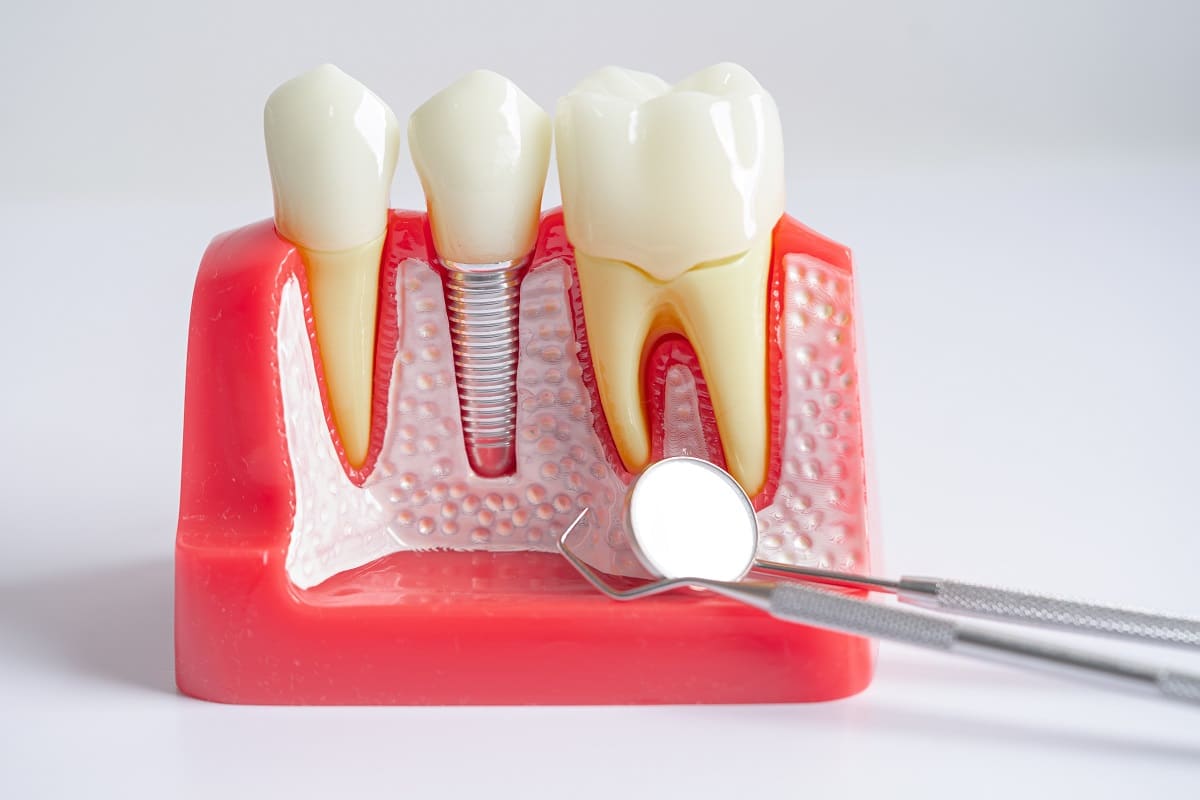
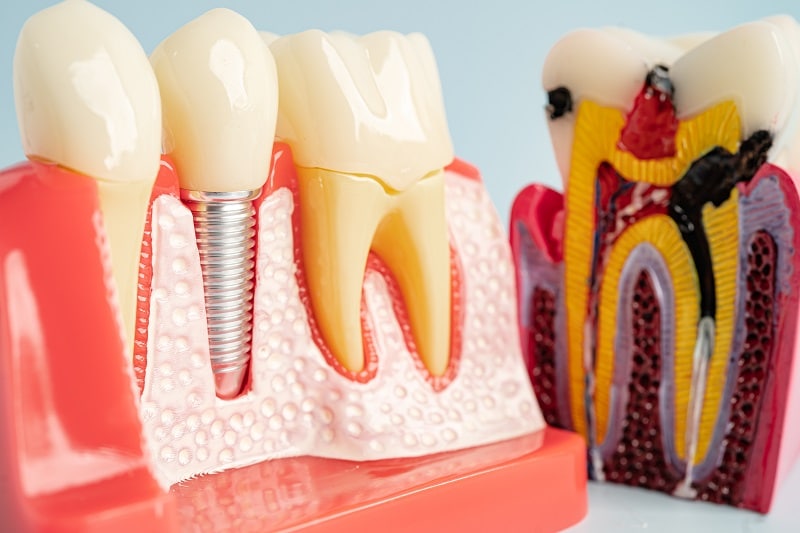
- Dental implants, which replace missing tooth roots and support crowns or other restorations
- Implant-supported bridges, which use implants to support several connected replacement teeth
- Traditional dental bridges, which use neighboring teeth as anchors
- Partial dentures, which replace several teeth with a removable appliance
The right option depends partly on the pattern of tooth loss. Replacing three neighboring teeth is different from replacing several teeth scattered throughout the mouth.
Can Dental Implants Replace Several Missing Teeth?
Yes. You do not necessarily need one dental implant for every missing tooth.
When several adjacent teeth are missing, implants can sometimes be positioned strategically to support an implant-supported bridge. This allows several replacement teeth to be supported by fewer implants.
For patients researching dental implants in Smyrna, this distinction is important. Implant treatment does not always mean placing an individual implant beneath every missing tooth.
The number and position of implants depend on factors such as:
- Location and number of missing teeth
- Available jawbone
- Gum health
- Bite and chewing forces
- Condition of nearby teeth
- Design of the final restoration
Unlike a traditional bridge, implants are anchored in the jaw rather than relying on natural teeth for primary support. They also replace the function of missing tooth roots.
How Does an Implant-Supported Bridge Work?
An implant-supported bridge replaces several adjacent teeth with a connected restoration anchored to dental implants.
For example, several missing teeth may be replaced with a bridge supported by strategically positioned implants rather than a separate implant for every tooth.
Potential advantages include:
- Fixed support while eating and speaking
- Replacement of several teeth with one connected restoration
- No need to use certain healthy neighboring teeth as bridge supports
- Implant support within the jaw
Implant placement does involve surgery and a healing period. Adequate bone and healthy oral tissues are also important considerations.
If you are considering implant-supported restorations in Smyrna, your dentist can determine whether this approach fits your oral health and treatment goals.
When Does a Traditional Dental Bridge Make Sense?
A traditional dental bridge replaces one or more missing teeth by using neighboring natural teeth as anchors.
Because the bridge is fixed, you do not remove it when eating or speaking. It can be a practical option when the supporting teeth are healthy enough to carry the restoration or already need crowns.
The main consideration is that supporting teeth generally need to be prepared for the crowns. A conventional bridge also does not replace the missing tooth root.
Daily cleaning around and underneath the bridge is important for protecting the supporting teeth and gums.
Are Partial Dentures a Practical Choice for Several Missing Teeth?
Yes. A partial denture can replace several missing teeth with one removable appliance.
It may be useful when teeth are missing in different areas of the same arch or when a fixed restoration or implant surgery is not appropriate.
Partial dentures are removed for cleaning and generally receive support from remaining teeth and oral tissues. Some patients adapt to them easily, while others prefer the stability of a fixed restoration.
Patients who already wear a partial denture but want greater stability may also ask about dental implant treatment.
Which Is Better: Implants, Bridges, or Partial Dentures?
There is no universal winner. Each option addresses tooth loss differently.
| Option | Fixed? | Replaces tooth root? | Can replace several teeth? | Uses neighboring teeth? |
|---|---|---|---|---|
| Dental implants | Yes | Yes | Yes | No |
| Implant-supported bridge | Yes | Yes, at implant sites | Yes | No |
| Traditional bridge | Yes | No | Yes | Yes |
| Partial denture | No | No | Yes | Sometimes |
Your dentist may recommend a different approach depending on your anatomy, oral health, and priorities.
Someone with healthy neighboring teeth may prefer not to prepare them for a traditional bridge. Another patient may want to avoid surgery and choose a removable option. Someone else may prioritize a fixed restoration and consider implants.
What Determines the Right Tooth Replacement Option?
Several factors go into treatment planning:
Location of the missing teeth
The pattern of tooth loss affects which restorations can be used.
Remaining teeth and gums
The health and strength of your natural teeth can influence whether they can support a bridge or partial denture.
Available jawbone
Bone volume and quality are particularly important when considering dental implants. Bone grafting may sometimes be needed before implant placement.
Your bite
Chewing forces and how your teeth come together can affect the design and support of a restoration.
Maintenance
Fixed restorations still require daily cleaning, while removable appliances need to be removed and cleaned properly.
Your priorities
Treatment time, surgery, comfort, maintenance, long-term goals, and budget may all influence your decision.
Can You Get Dental Implants If You Have Bone Loss?
Possibly. Bone loss does not automatically rule out implant treatment.
Your dentist will need to determine whether enough healthy bone remains to support an implant in the planned location. Diagnostic imaging can help evaluate the area.
Some patients may need bone grafting or other preparatory treatment before implants can be placed. Others may have enough bone to proceed with an appropriate implant treatment plan.
What If Several Teeth Need to Be Extracted?
Tooth replacement planning can often begin before extraction.
Planning ahead allows your dental team to consider what happens after the teeth are removed. Depending on your situation, treatment may involve preserving available bone, providing a temporary restoration, or planning for future implant placement.
This can be particularly important when dental implants are being considered because the condition of the bone after extraction can affect future treatment.
What Happens If You Wait to Replace Missing Teeth?
The mouth can continue changing after tooth loss. Neighboring teeth may shift, your bite can change, and bone loss may occur where tooth roots are absent.
These changes can sometimes affect future restorative options.
That does not mean everyone needs immediate treatment. An evaluation can help determine whether replacement should be planned soon or whether monitoring is reasonable.
A Patient-Centered Approach to Dental Treatment
Choosing how to replace missing teeth is a personal decision, and treatment does not always have to happen all at once. Understanding your options, knowing when treatment may be necessary, and having time to make an informed decision can make the process more comfortable.
One Creekview Dental patient, M. Norton, shared this experience:
M. Norton’s experience highlights an important part of restorative treatment: recommendations should be based on the patient’s actual needs, not simply on choosing the most extensive treatment available.
Want to hear more from Creekview Dental patients? Check out our Google reviews to learn about other patients’ experiences with our dental team, their care, and their visits.
How Should You Compare the Long-Term Value?
The initial treatment cost is only one part of the decision.
Consider:
- Stability while chewing
- Daily cleaning and maintenance
- Treatment time
- Effects on remaining teeth
- Potential future procedures
- Bone preservation
- Long-term expectations
For example, a partial denture may avoid surgery but require regular removal and cleaning. A traditional bridge is fixed but uses neighboring teeth for support. Dental implants provide root replacement but require surgery and adequate bone.
The best choice is the one that fits your oral health and long-term priorities.
Understanding Your Options at Creekview Dental
Replacing several missing teeth is not simply a choice between implants, bridges, and dentures. The condition of your remaining teeth and gums, available bone, bite, location of the missing teeth, and personal priorities all matter.
At Creekview Dental in Smyrna, Dr. Shafer can evaluate these factors and explain how different tooth replacement options compare. If you are considering dental implants, an examination can help determine whether implants, an implant-supported bridge, a traditional bridge, or a removable option makes sense for you.
Visit our dental office in Smyrna to discuss your tooth replacement options and take the next step toward restoring comfortable function to your smile.
Frequently Asked Questions
Can several missing teeth be replaced with fewer implants?
Yes. Several adjacent missing teeth may sometimes be replaced with an implant-supported bridge supported by strategically positioned implants.
Do I need an implant for every missing tooth?
No. Depending on the arrangement of the missing teeth, fewer implants may support a bridge containing several replacement teeth.
Can I get dental implants if I have bone loss?
Possibly. Some patients have enough remaining bone for implants, while others may need bone grafting or another preparatory procedure.
Is a traditional bridge better than a partial denture?
Neither is automatically better. A bridge is fixed and uses neighboring teeth for support, while a partial denture is removable. Your oral health and treatment goals should guide the decision.
What is the best way to replace several missing teeth?
There is no single best solution. Dental implants, implant-supported bridges, traditional bridges, and partial dentures each have different benefits and limitations. A dental evaluation can help determine which approach best fits your needs.
Related Posts