

Wondering how long gum disease treatment results last in Smyrna? Dr. Noah Shafer at Creekview Dental explains what to expect and how to maintain your results.
What Happens During a Dental Exam That You Can’t Do at Home?
If you live in Smyrna or nearby communities such as La Vergne, Antioch, or Murfreesboro, you may already have a solid dental routine at home. You brush, floss, check your smile in the mirror, and probably assume that anything serious would make itself known.
Unfortunately, teeth do not always provide that courtesy.
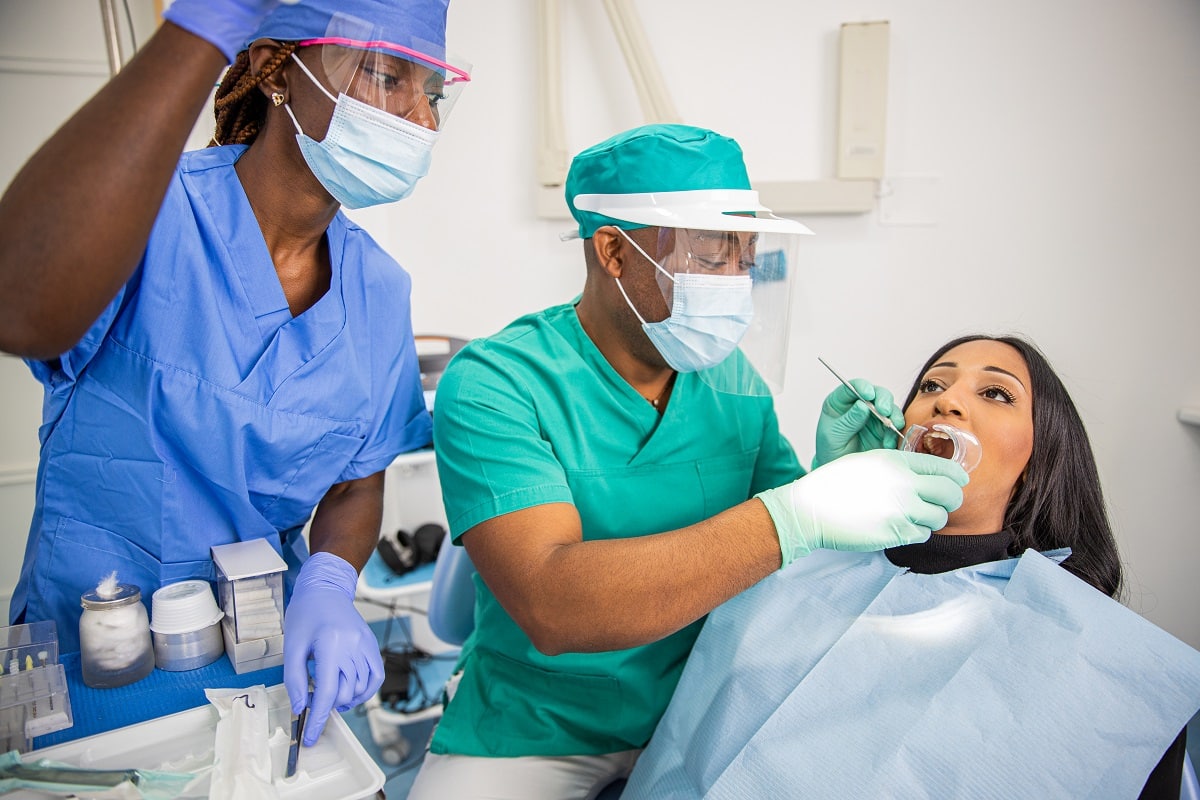
A dental exam allows a dental professional to identify changes that may be impossible to see, feel, or measure at home. During a routine examination, your dentist evaluates your teeth, gums, bite, existing dental work, and oral tissues and may use digital X-rays when additional information is needed.
The point is not simply to find something wrong. It is to understand what is happening in your mouth early enough to make sensible decisions about monitoring, prevention, or treatment.
About Dr. Timothy McNeely
Dr. Timothy McNeely is part of the Creekview Dental team in Smyrna, Tennessee. His approach emphasizes thorough diagnosis, patient education, and individualized treatment planning, helping patients understand what is happening and why a particular treatment or monitoring plan may be recommended.
If you’re due for a dental exam or have noticed a change in your oral health, you can contact Creekview Dental to schedule a visit and discuss your concerns with the team.
What Can a Dental Exam Reveal That a Mirror Can’t?
Looking at your teeth at home is useful, but it has obvious limitations. You cannot easily see the back surfaces of your molars, the areas between your teeth, the tissue around every tooth, or structures below the gumline.
A professional dental examination provides a much more detailed assessment.
Your dentist can look for early decay, damaged or worn restorations, cracks, gum inflammation, changes in the supporting tissues, bite problems, and unusual changes in the soft tissues of your mouth.
Just as importantly, dentists can compare current findings with previous examinations. A small change that seems insignificant to a patient may be clinically meaningful when it is compared with what was documented six months or a year earlier.
Cavities Can Start Before You Feel Them
One of the biggest misconceptions about tooth decay is that a cavity should hurt.
Not necessarily.
Early tooth decay may produce no pain or obvious visible damage. Cavities between teeth are particularly easy to miss because they are difficult to inspect at home. Decay can also develop around or beneath existing dental restorations.
During an exam, your dentist evaluates suspicious areas and considers whether diagnostic imaging is appropriate. Digital X-rays can reveal decay and other changes that cannot be identified through a visual examination alone.
This is why cavity detection is not simply a matter of looking for a dark spot in the mirror. The location, depth, surrounding tooth structure, and progression all influence what should happen next.
A small area may be appropriate for conservative treatment or monitoring, while more extensive decay may require restorative treatment.
Your Gums Can Tell a Different Story
Gum disease is another condition that can develop quietly.
You may notice bleeding when brushing or flossing, persistent bad breath, redness, or swollen gums. But some patients have few noticeable symptoms, particularly during earlier stages.
During a gum disease screening, the dental team can evaluate the appearance and condition of the gum tissue and supporting structures. These findings help determine whether inflammation is present and whether additional periodontal evaluation or treatment is appropriate.
Patients sometimes make the mistake of assuming that bleeding gums are simply a normal consequence of flossing after a long break.
They are not something to ignore if they happen repeatedly.
At the same time, occasional bleeding does not automatically mean you have advanced periodontal disease. The important step is determining why the bleeding is occurring instead of guessing.
What About Problems Under the Surface?
This is where a professional exam has an advantage that home care simply cannot reproduce.
Digital dental X-rays can provide information about areas that are hidden from direct view. Depending on the type of image needed, they may help identify decay between teeth, changes around tooth roots, bone loss, impacted teeth, or other abnormalities.
That does not mean every patient needs an X-ray at every appointment.
A responsible dentist considers factors such as your age, dental history, symptoms, previous findings, risk of decay, and time since your last imaging before recommending X-rays.
The purpose of diagnostic imaging is to answer a clinical question, not to take pictures simply because the technology exists.
A Dentist Can Evaluate Cracks and Existing Dental Work
A tooth does not need to break dramatically for a problem to exist.
Small cracks can sometimes cause sensitivity when you bite, release your bite, or consume something hot or cold. Other cracks may produce inconsistent symptoms, making them particularly frustrating for patients.
Similarly, fillings, crowns, and other restorations can change over time. They may wear, fracture, loosen, or develop decay around their margins.
A professional examination lets your dentist assess whether a restoration is functioning normally or whether a change needs closer observation.
This is particularly useful when a patient says, “It doesn’t really hurt. It just feels strange.”
That description may not tell you what is happening, but it gives the dentist a reason to investigate further.
Your Dentist Checks More Than Your Teeth
A routine oral health screening is not limited to cavities.
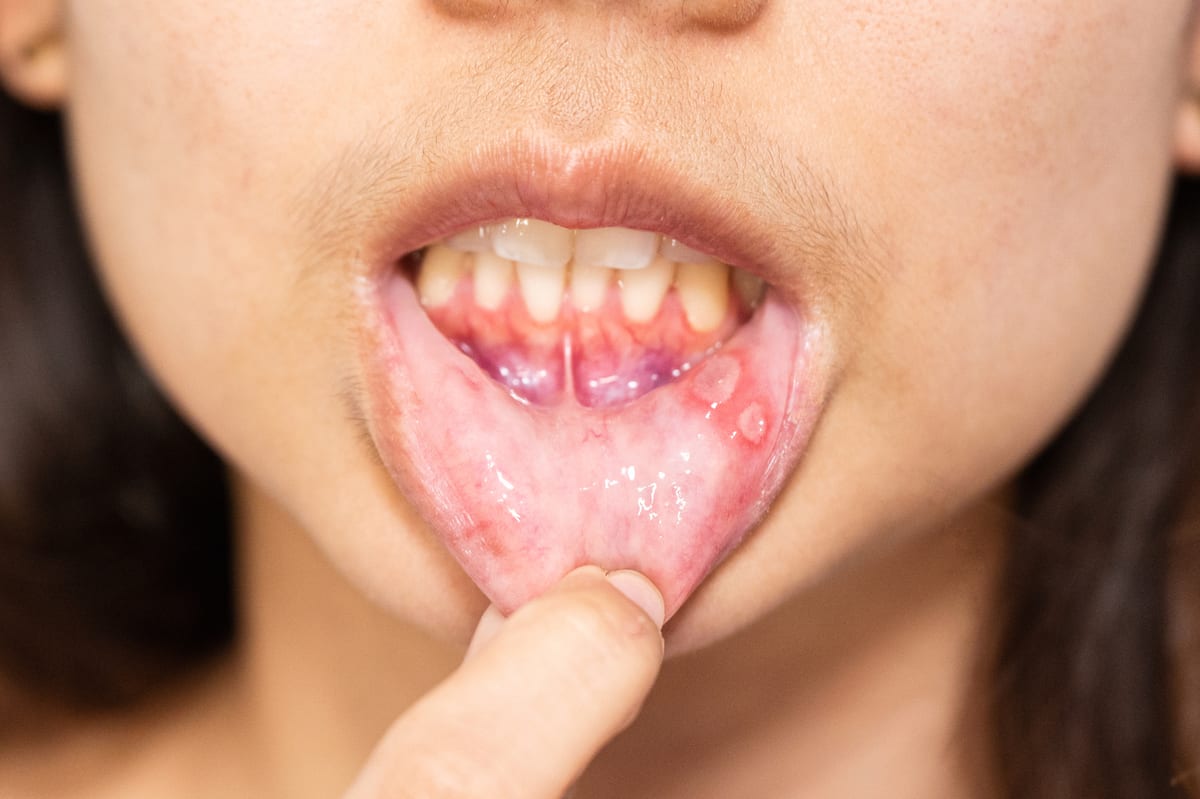
Dentists also examine the gums, tongue, cheeks, and other soft tissues of the mouth for unusual changes. Persistent sores, unexplained lumps, areas of irritation, or changes in tissue appearance may need further evaluation.
Creekview Dental includes oral cancer screening as part of its comprehensive dental care approach, alongside routine examinations and digital X-rays when clinically appropriate.
The presence of an unusual area does not automatically mean something serious is wrong. Many oral changes have harmless explanations. The value of professional screening is knowing when something is worth watching or investigating rather than trying to diagnose it yourself.
Why Brushing and Flossing Still Aren’t Enough
This does not make your home routine unimportant. Quite the opposite.
Brushing twice a day, cleaning between your teeth, maintaining a balanced diet, and following your dentist’s recommendations are fundamental parts of preventive dental care.
But home care and professional examinations serve different purposes.
You can remove plaque. Your dentist can assess the condition of the tissues underneath and around your teeth.
You can notice sensitivity. Your dentist can investigate whether it relates to decay, wear, recession, a crack, or another issue.
You can look at your smile. Your dentist can assess areas you cannot see and compare them with previous findings.
You can also search for “dentist Smyrna” and spend an impressive amount of time convincing yourself that your symptoms are either completely harmless or a sign of imminent disaster. Neither conclusion is particularly scientific.
When Does a Dental Exam Actually Change What Happens Next?
A dental exam is most useful when the findings influence a decision.
For example, your dentist may discover a small area that can be monitored rather than treated immediately. Another patient may have early gum inflammation that responds well to improved home care and professional cleaning.
Someone else may have a cavity that is already large enough to require a filling. A cracked tooth may need further evaluation because its structural condition is changing.
The same symptom can also mean different things in different patients.
That is why a routine exam is not simply a checklist of “good” or “bad” teeth. It is an opportunity to determine what needs attention now, what can be monitored, and what you can do to reduce future risk.
When Should You Schedule an Examination?
If you have tooth pain, facial swelling, a broken tooth, significant sensitivity, persistent bleeding, or another concerning change, you should not wait indefinitely for your next routine appointment.
For patients without urgent symptoms, the appropriate frequency of dental exams depends on individual risk. Someone with a history of frequent cavities or gum disease may need closer monitoring than someone with consistently healthy teeth and gums.
If you cannot remember when your last examination was, that is probably a better reason to check your dental records than to rely on your memory.
For patients looking for a dental professional in Smyrna families can turn to for preventive and comprehensive dental care, Creekview Dental provides routine dental exams, professional cleanings, digital X-rays, oral cancer screenings, and restorative services.
Get More From Your Next Dental Visit
A dental exam does something your bathroom mirror cannot: it combines direct examination, clinical measurements, professional experience, and diagnostic tools to create a clearer picture of your oral health.
If it has been a while since your last checkup, or if you have noticed a change that you cannot explain, Creekview Dental can evaluate the issue and explain what your options are.
The goal is not to treat every minor finding. It is to identify meaningful problems, catch developing conditions when possible, and help you make informed decisions about your dental health.
Frequently Asked Questions
Can a dentist find a cavity before it hurts?
Yes. Tooth decay can develop without pain, particularly during its earlier stages or when it occurs between teeth. A dentist can examine the tooth directly and use X-rays when appropriate to identify areas that are not visible during a routine visual inspection.
Can I tell if I have gum disease at home?
You may notice warning signs such as bleeding, redness, swelling, bad breath, or gum recession. However, symptoms alone cannot determine the severity or cause of gum problems. A professional periodontal evaluation provides more useful information.
Why do I need a dental exam if I brush and floss every day?
Good home care reduces your risk of many dental problems, but it cannot replace professional examination. Dentists can evaluate areas that are difficult to see, assess existing restorations, screen the gums and oral tissues, and use diagnostic imaging when necessary.
Do I need dental X-rays if nothing hurts?
Not necessarily at every visit. Your dentist decides whether X-rays are appropriate based on your dental history, risk factors, symptoms, previous findings, and the information needed to make an accurate diagnosis.
Can a dentist find a cracked tooth before it breaks?
Sometimes. Small cracks can be difficult to detect, particularly when they produce intermittent symptoms. Your dentist can evaluate the tooth, investigate bite-related symptoms and sensitivity, and determine whether further monitoring or diagnostic testing is needed.
Is bleeding when I floss always a sign of gum disease?
No. Bleeding can have several causes, including inflammation from plaque buildup or irritation from improper flossing technique. However, repeated bleeding should not simply be dismissed as normal. A dental professional can determine the likely cause.
What happens if my dentist finds a problem during a routine exam?
Finding a problem does not automatically mean you need major treatment. Depending on the finding, your dentist may recommend monitoring, improved home care, professional cleaning, additional diagnostic testing, or restorative treatment. The appropriate decision depends on the condition and its progression.
How often should I have a dental exam?
There is no single schedule that is appropriate for everyone. Your dentist may recommend routine examinations based on your oral health, history of cavities or gum disease, dental restorations, risk factors, and previous findings.
Related Posts