

Busy school mornings in Smyrna often leave parents reaching for whatever snacks are quick, packed,…
Can Pacifier Use After Age 3 Cause Speech Issues?

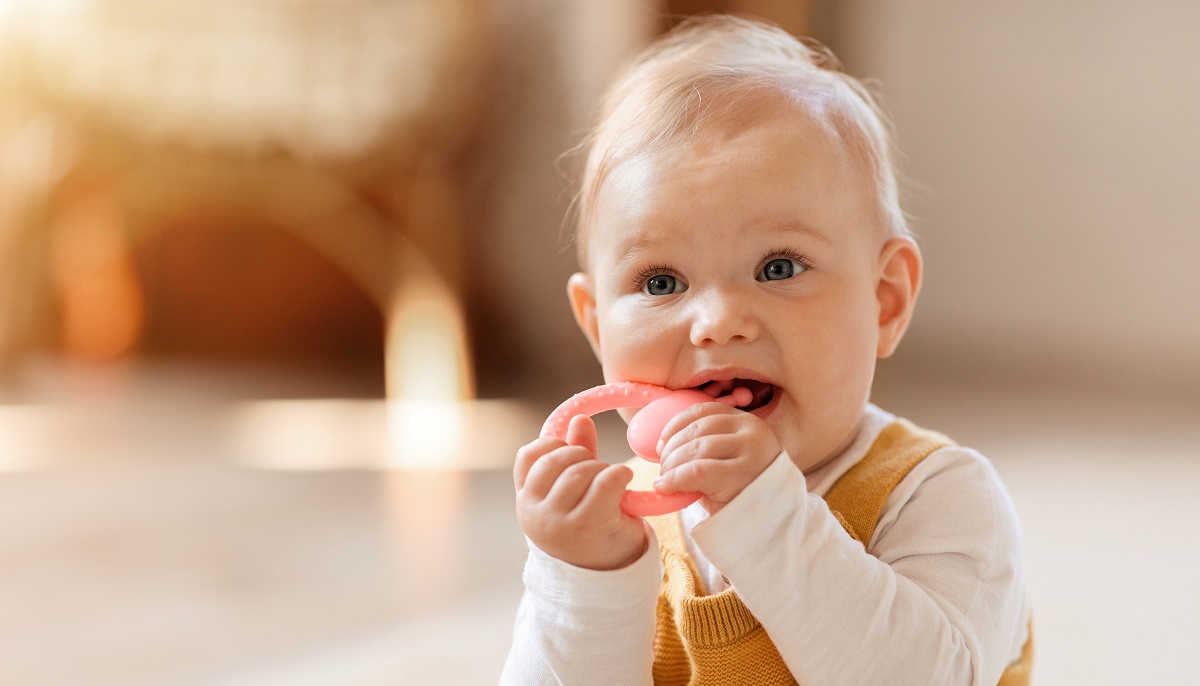
Pacifiers can be lifesavers during early childhood—soothing babies during fussy moments, easing them to sleep, or providing comfort during new experiences. But when this habit continues beyond age 3, it may begin to affect more than just a child’s teeth.
At Creekview Dental, we often hear concerned parents in Smyrna, TN ask:
“Is my child’s speech delay caused by the pacifier?”
Let’s take a closer look at how long-term pacifier use can influence speech development—and what steps you can take to protect your child’s growing smile and voice.
How Pacifiers Can Affect Speech Development
While using a pacifier in the infant stage is generally harmless, prolonged use beyond age 3 can interfere with the natural development of oral muscles and tongue positioning, both of which are essential for clear speech.
Common speech-related concerns from extended pacifier use:
- Delayed speech: Limited babbling and fewer word attempts
- Articulation difficulties: Trouble pronouncing sounds like “s,” “sh,” or “th”
- Tongue thrust: A Forward tongue position that can affect both speech and swallowing
- Muffled voice: Especially when the pacifier is used during talking or listening
When the mouth is frequently occupied, the tongue doesn’t get the movement it needs, and the oral muscles don’t fully develop, which can lead to challenges forming specific speech sounds.
But What About the Teeth?
Aside from speech, pacifier use past age 3 can affect dental development. Common outcomes include:
- Open bite: When the front teeth don’t touch when the mouth is closed
- Overjet: Front teeth pushing outward
- Narrow palate: Can lead to crowding or crossbite
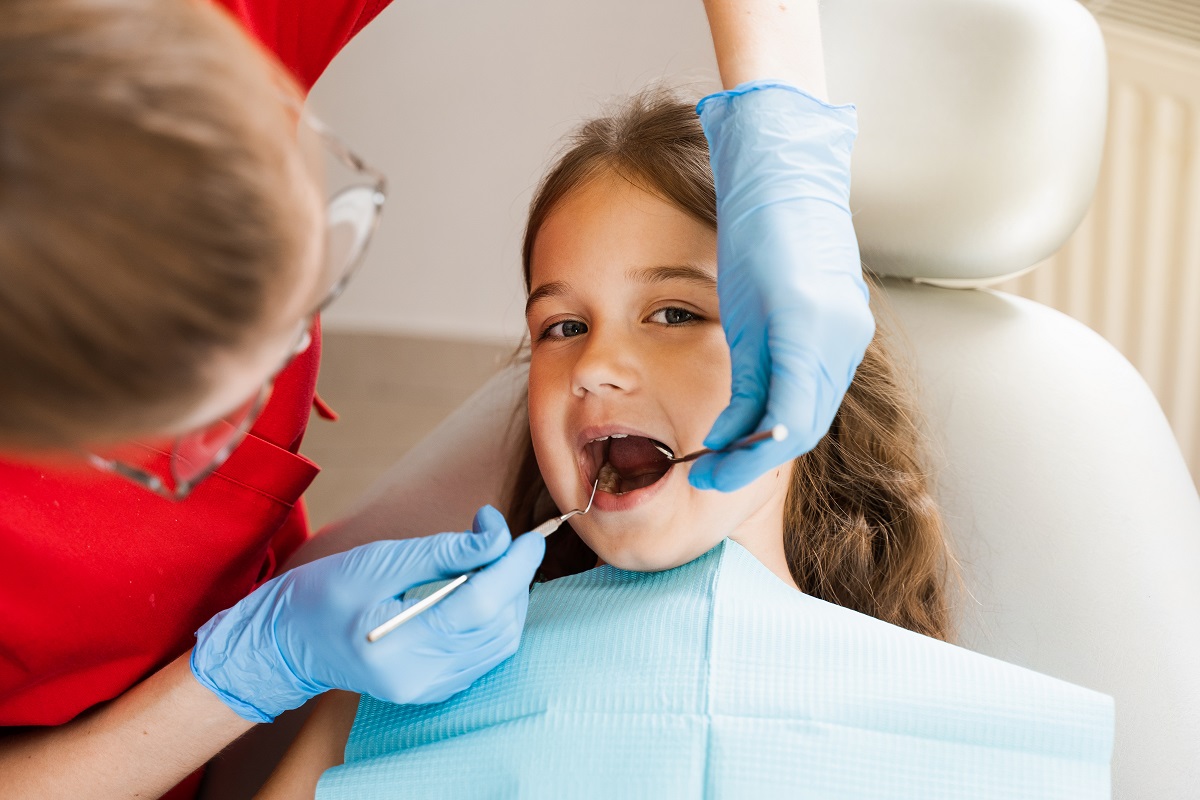
While speech therapists can help correct articulation, some children may also require orthodontic or pediatric dental intervention.
When to Take Action: Signs It’s Time to Wean
Still wondering whether it’s time to break the pacifier habit? Experts—including our team of expert pediatric dentists—recommend weaning your child off the pacifier by age 2, and definitely by age 3, to reduce long-term developmental concerns.
Look for these signs that your child may be ready (or need) to stop:
- Speech is not developing as expected
- Front teeth appear pushed forward
- Your child uses the pacifier during conversations
- The habit continues during play or daytime activities
If you’re unsure whether your child’s habits are impacting their oral development, here are the Signs your child should visit a pediatric dentist that every parent should know.
Tips from a Pediatric Dentist in Smyrna, TN: How to Break the Habit Gently
At Creekview Dental, we guide parents with real-world strategies that work. Here’s how you can help your child transition away from the pacifier—without meltdowns:
- Positive reinforcement: Reward progress, not punishment
- Limit use gradually: Start with removing it during the day, then at bedtime
- Offer alternatives: A favorite stuffed animal, blanket, or calming toy
- Tell a story: Introduce a “Pacifier Fairy” to collect the binky and leave a prize
- Talk about it: Help your child understand how it affects their “big kid teeth” and speech
We know that every child is different—some are ready to let go easily, others need a little more help. That’s why our pediatric dentist offers personalized guidance during routine visits.
Let’s Keep Their Smile—and Their Voice—on Track
At our dental practice, we believe healthy smiles start early. If you’re worried about your child’s speech development or dental growth due to pacifier use, let’s talk. We’ll assess their teeth, bite, and oral habits—and work together to create a plan that fits your child’s needs.
Concerned about your child’s pacifier use?
Schedule a pediatric consultation with our friendly team in Smyrna today. We’re here to support your child’s oral health and development—one smile at a time.
Final Thoughts
Pacifiers are helpful in the early stages of life, but like all things, they serve their purpose for only so long. If your child is still using a pacifier after age 3, it’s time to consider the impact on their speech and dental development.
The good news? With early guidance and support, it’s never too late to correct course and encourage healthy habits that will serve your child well into the future.
Related Posts