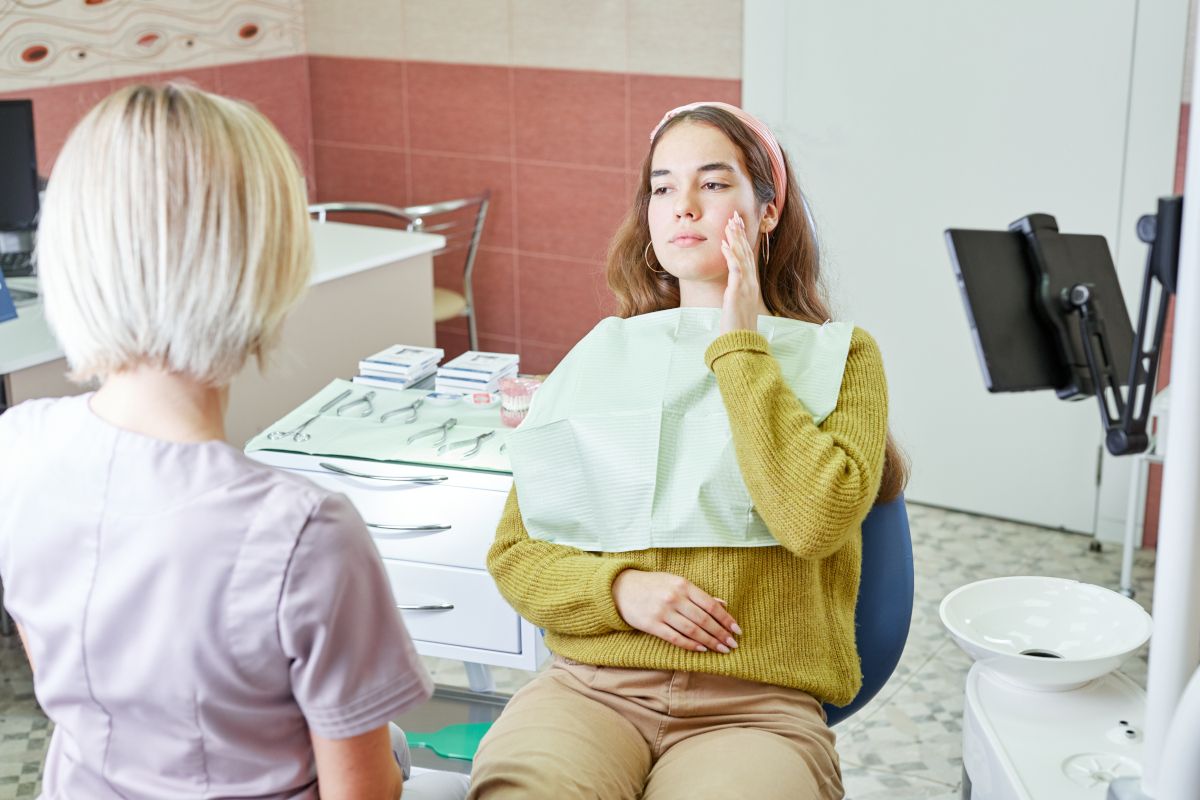


Is facial swelling a dental emergency?Yes, any facial swelling linked to a tooth, jaw, or…
Knocked-Out Tooth? What to Do in the First 30 Minutes
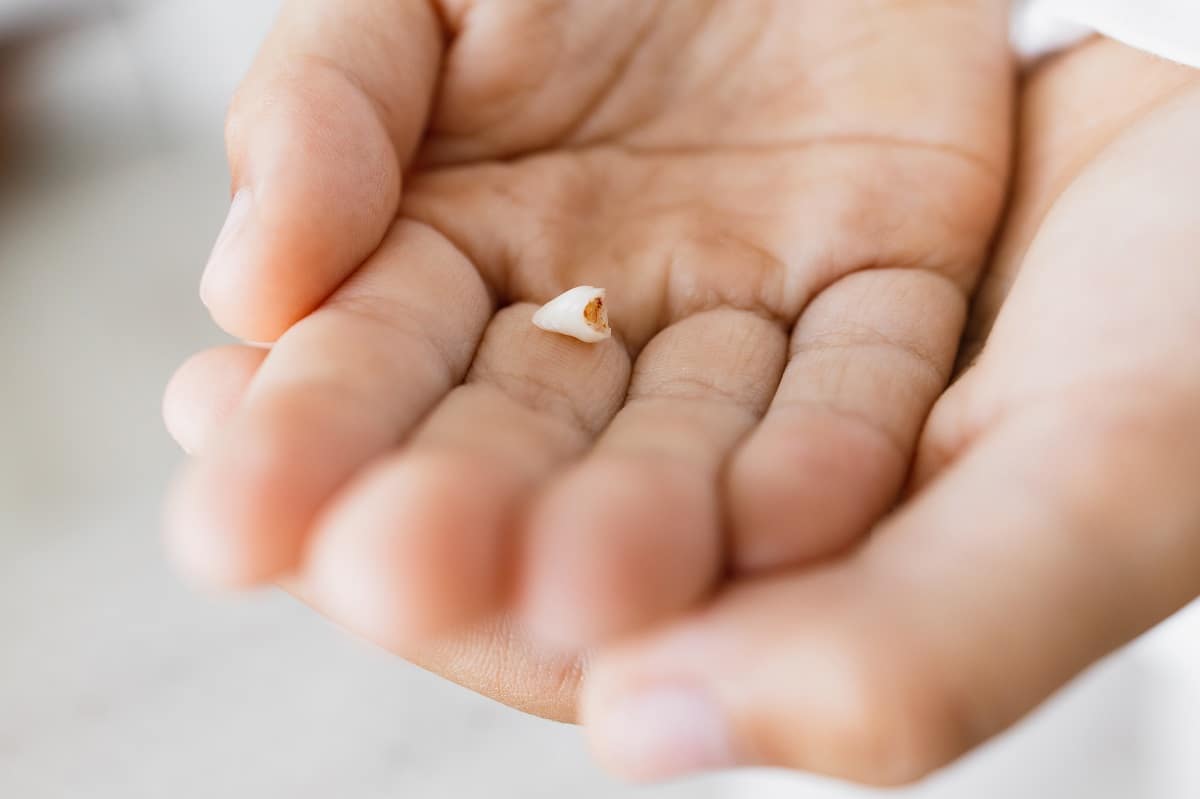
Quick answer: Pick the tooth up by the crown, never the root, rinse it gently with milk or saline if it’s dirty, try to push it back into the socket facing the right direction, and bite down on gauze to hold it there. If it won’t go back in, place it in a cup of milk and get to a dentist as quickly as possible. Don’t wrap it in a paper towel, don’t scrub it, and don’t let it dry out.
It happened at the batting cages off Sam Davis Road or during a pickup game at Lee Victory Recreation Park. It doesn’t really matter where. One bad bounce, one elbow, one fall off a bike, and a tooth that was fine ten seconds ago is now sitting in the grass. If you’re reading this with a bloody napkin in one hand, here’s what actually matters right now.
Dr. Timothy McNeely has handled a lot of these cases at Creekview Dental in Smyrna, and the thing he says over and over is that with a knocked-out tooth, the patient’s actions in the first few minutes often matter more than anything he does afterward in the chair. His approach is blunt and fast because panic makes people do the wrong thing, almost every time. If a permanent tooth has just been knocked out, don’t wait to see what happens. Call Creekview Dental right away at 615.751.0259 so we can guide you through what to do with the tooth and help you get the urgent care you need.
Why the First 30 Minutes Are the Whole Ballgame
A tooth isn’t set into bone like a screw. It’s held by a thin band of living tissue called the periodontal ligament, thousands of tiny fibers wrapped around the root that keep the tooth alive and anchored. When a tooth gets knocked out, those fibers are still hanging onto the root. Still alive. For a little while.
That window closes fast. Once the fibers dry out or get scraped off, the body stops treating the tooth as “yours” and starts treating it like debris. That’s really the whole reason time matters as much as it does. It’s not the enamel you’re racing to save; it’s a layer of cells most people have never heard of.
What to Actually Do, Step by Step
Pick the tooth up by the crown, the white chewing part, not the root. The root end is coated in that ligament tissue. Even a few seconds of pinching it by the root can wipe out cells you’re trying to protect.
If it’s dirty, give it a quick rinse. Milk or saline is best. Plain water for a couple of seconds is fine if that’s all you’ve got. Don’t scrub it, don’t use soap, and don’t wipe it on a shirt. One of the most common mistakes Dr. McNeely sees is a parent trying to “clean it up nice” before handing it over. Scrubbing can remove exactly the tissue that needs to be protected.
Try to slide the tooth back into the socket, right way around, then have the person bite down gently on gauze or a folded cloth to hold it steady. This can be helpful for a permanent tooth when replantation is appropriate.
If it won’t go back in, a small cup of milk is a good temporary option. Not water. Milk can help keep the cells on the root moist while you get professional care. If there’s no milk around, a tooth preservation solution is another option. Saliva can also be used in some circumstances, but placing the tooth inside the cheek is not appropriate for young children because of the risk of swallowing or choking.
Then get moving. Not tomorrow morning, not “let’s see how it feels.” If you need an emergency dentist in Smyrna, call as soon as possible so the dental team can advise you on the next steps while you make your way to the office. Thirty minutes is an important target, but it is not a hard cutoff. Even if more time has passed, the tooth should still be evaluated.
If It’s a Kid, Check This First
If you’re not sure whether it’s a baby tooth or a permanent one, stop before reinserting anything. Baby teeth generally don’t get put back. Pushing one back into the socket can injure the permanent tooth developing underneath the gum line.
If your child is somewhere around five to seven and you’re genuinely unsure which type came out, skip the reinsertion step, keep the tooth moist, and let a dentist determine what happened.
What Happens Once You’re in the Chair
At Creekview Dental, the first few minutes after a knocked-out tooth aren’t actually spent on the tooth itself. They’re spent on the rest of the mouth. X-rays may be needed to check for a fractured jaw, a cracked root, or damage to the teeth sitting next to the one that came out. A hit hard enough to knock a tooth loose can also affect nearby teeth, even when they look completely fine.
If the tooth wasn’t already back in the socket, the dentist may reposition it and stabilize it with a splint. A splint uses a thin wire or bonded material to hold the injured tooth in place while the surrounding tissues heal.
Root canal treatment may also be needed, particularly for a mature permanent tooth. The timing depends on the tooth’s development, the injury, and how the tooth responds after replantation.
Here’s a mistake worth knowing about: a tooth that feels firm and painless a week later isn’t automatically in the clear. Problems can develop over time, sometimes showing up as a gray or darkened tooth or as changes visible only on an X-ray. That’s why follow-up visits matter, even when everything seems fine on the surface.
If you’re deciding whether to call ahead or just drive over, contacting a dental practice that handles dental trauma can help you get appropriate instructions while you’re on the way. Minutes matter when a permanent tooth has been completely knocked out.
If This Is Happening Right Now
Call our office at 615.751.0259 immediately, even after hours. We prioritize trauma cases and can walk you through the next steps on the phone while you’re on your way in. Every minute matters, and having someone tell you exactly what to do takes one thing off your plate while everything else feels chaotic.
We built our process around exactly this kind of moment: same-day evaluation, straight answers, and a team that treats a call like this as the priority it is.
Common Questions
How long can a tooth actually survive outside the mouth?
The sooner a knocked-out permanent tooth is replanted or placed in an appropriate storage medium, the better. Thirty minutes is an important goal, but there is no point at which you should simply give up. Seek professional care even if the tooth has been out for longer.
Can I put the tooth back in myself before getting to the dentist?
For a permanent tooth, immediate replantation may be appropriate when it can be done safely. Hold the tooth by the crown, position it correctly, and avoid forcing it into place. Never attempt this with a baby tooth.
What if the tooth is nowhere to be found?
Still get checked out. The tooth may have been pushed into the gum or jawbone rather than completely leaving the mouth. An examination and X-ray can help determine what happened.
Does it matter if the tooth broke instead of coming out whole?
Yes. A tooth that has fractured is a different injury from a completely avulsed tooth. Bring any pieces you find with you so the dentist can determine whether part of the tooth or root remains in the socket.
Should a baby tooth be put back in the same way?
No. Reinserting a baby tooth can damage the developing permanent tooth underneath it.
Is success guaranteed if I follow every step correctly?
No. Prompt action can improve the chances of a favorable outcome, but factors such as how long the tooth was outside the mouth, whether it remained moist, the stage of root development, and the severity of the original injury all matter.
How can I tell if the jaw is broken too?
Watch for a bite that suddenly feels misaligned, numbness in the lip or chin, significant swelling, severe pain, difficulty opening or closing the mouth, or difficulty moving the jaw. Those signs require prompt medical evaluation.
What if the tooth can’t be saved?
There are replacement options, including a dental bridge, implant, or partial denture. Those decisions are usually made after the injury has been evaluated, and the tissues have had time to heal.
Related Posts