


Is a brighter and whiter smile on your list of resolutions for the new year?…
Are Bleeding Gums a Warning Sign? Expert Dental Insights
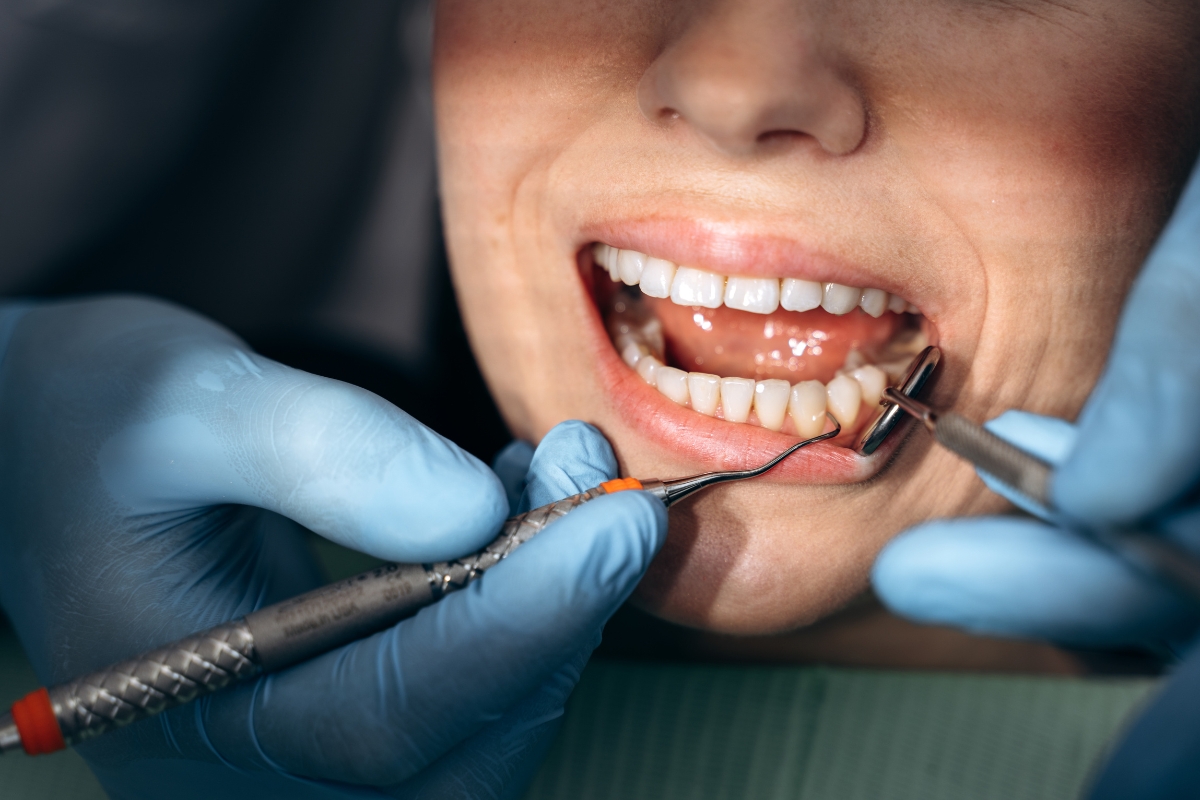
Seeing blood on your toothbrush or in your saliva can be concerning. Many assume it’s just a minor issue, but bleeding gums are often an early warning sign that your oral health needs attention. While occasional bleeding might happen, repeated or persistent episodes should never be ignored. Here’s what dental experts want you to understand about the causes, risks, and prevention of bleeding gums.
Why Do Gums Bleed in the First Place?
Bleeding gums often start with inflammation. Plaque that isn’t removed quickly hardens into tartar, irritating the gumline. This leads to gingivitis—the earliest stage of gum disease. Other common triggers include:
- Aggressive brushing or flossing – Using too much force can damage gum tissue.
- Poor oral hygiene – Infrequent brushing and skipping flossing allow harmful bacteria to thrive.
- Vitamin deficiencies – Lack of Vitamin C or K can increase bleeding risks.
- Hormonal changes – Pregnancy and certain medications may make gums more sensitive.
- Systemic health conditions – Diabetes, heart disease, and immune disorders can also contribute.
When Is Gum Bleeding Normal—And When Is It Not?
- Occasional bleeding after new flossing habits: If you’ve just started flossing regularly, minor bleeding may happen for a few days. This usually improves as gums strengthen.
- Frequent bleeding: If it happens daily, it’s a red flag for gum disease.
- Persistent swelling or pain: Bleeding combined with tenderness, redness, or bad breath often means infection is present.
Occasional gum bleeding may be normal when starting new flossing routines, but persistent bleeding often indicates gum disease and may require professional care or gum disease treatment.
The Link Between Bleeding Gums and Overall Health
Your gums don’t just protect your teeth—they’re closely tied to your overall health. Studies show untreated gum disease increases risks of:
- Cardiovascular problems
- Poorly controlled diabetes
- Pregnancy complications
Ignoring bleeding gums can therefore impact more than just your smile.
How to Stop and Prevent Gum Bleeding
Here are practical steps you can take to protect your gums:
- Brush gently, twice daily – Use a soft-bristled toothbrush and fluoride toothpaste.
- Floss correctly – Slide floss along the side of each tooth, not forcefully into the gums.
- Rinse regularly – Antimicrobial mouthwashes help reduce plaque and bacteria.
- Eat a balanced diet – Leafy greens, citrus fruits, and calcium-rich foods support gum health.
- Schedule routine cleanings – Professional dental visits remove tartar you can’t reach at home.
Why Professional Care Matters
Even with excellent home care, gum disease can progress silently. A dental exam allows early detection before permanent damage occurs. Local patients often find that scheduling a simple cleaning and checkup makes a huge difference in reversing early gum issues.
Take the First Step Toward Healthier Gums
Bleeding gums are not something to ignore. Whether it’s occasional or persistent, it’s your body’s way of asking for attention.
Ready to take control of your gum health? Contact or visit Creekview Dental in Smyrna today to schedule your appointment. Our team is here to help you restore confidence in your smile and protect your long-term health.
Related Posts