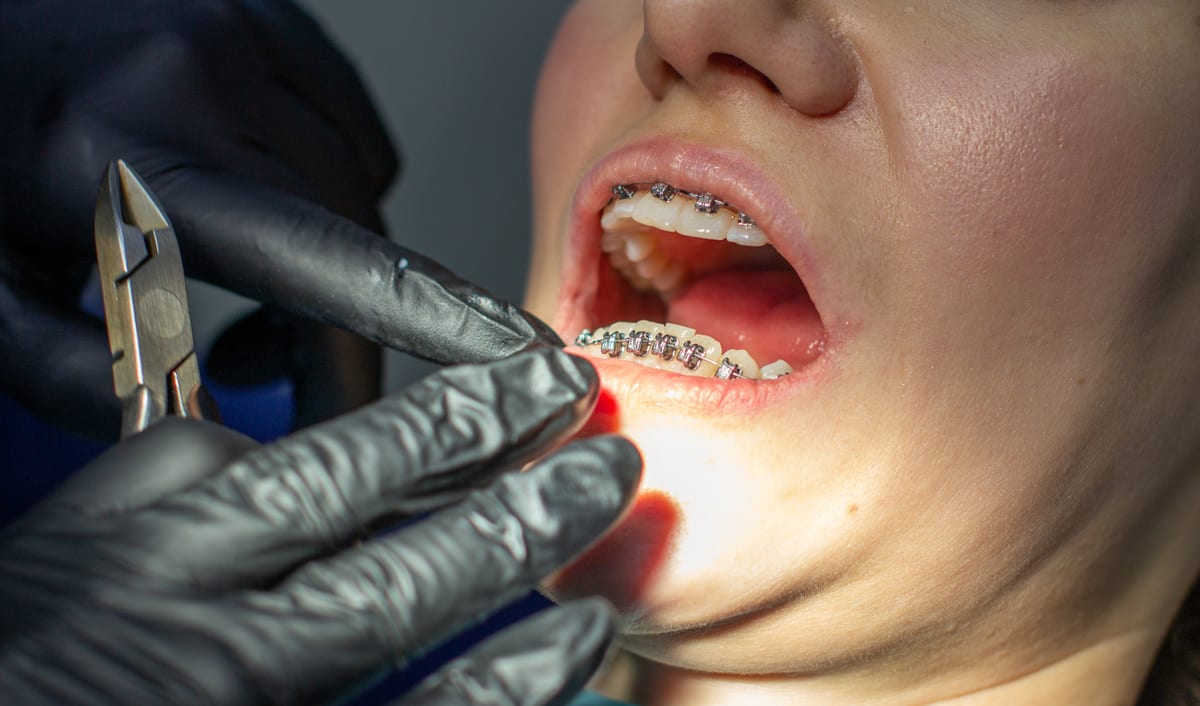


Wondering why some tooth-colored fillings last 10+ years in Smyrna? Dr. Noah Shafer explains what affects longevity and how to make yours last. Learn more today.
Gum Disease Treatment Results: How Long They Actually Last
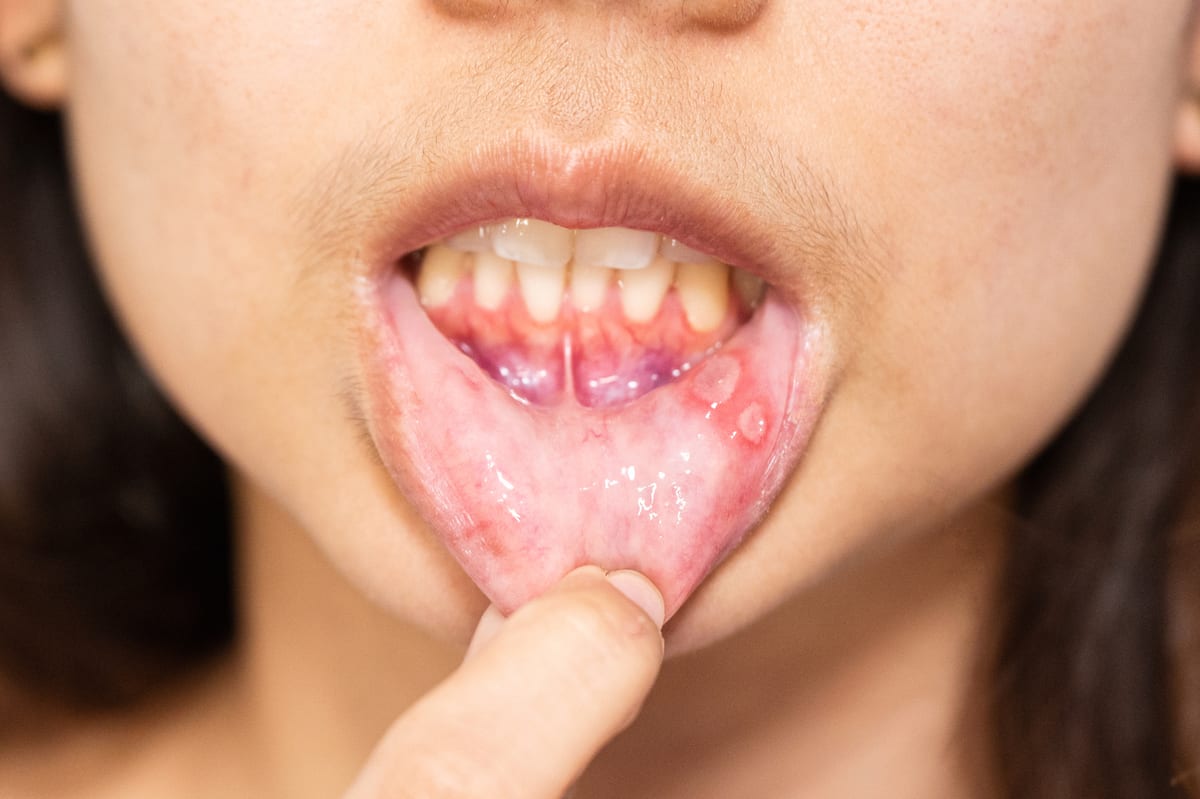
If you’ve recently completed gum disease treatment, you’re probably asking one important question: how long will these results actually last? Understanding gum disease treatment results and how long they last in Smyrna is essential for protecting your investment in your oral health. The answer isn’t a simple number — it depends on several factors unique to each patient. At Creekview Dental, Dr. Noah Shafer helps patients understand what to expect long after treatment ends.
What Gum Disease Treatment Actually Does
Gum disease, also called periodontal disease, causes inflammation and infection in the tissues surrounding your teeth. Treatment aims to eliminate that infection and stop further damage. The most common approach is scaling and root planing, sometimes called a deep cleaning. This procedure removes bacteria and hardened tartar from below the gumline.
Once treatment is complete, your gums can begin to heal. The tissue reattaches to the tooth surface over time. Pockets between your gums and teeth typically shrink significantly. However, this healing is not a permanent cure — it requires ongoing effort to maintain.
Gum disease is a chronic condition in many patients. That means it can return if proper steps aren’t taken. Think of it like managing blood pressure — treatment helps, but lifestyle choices determine long-term outcomes. Your habits after treatment matter just as much as the procedure itself.
How Long Gum Disease Treatment Results Last in Smyrna
The honest answer is that results can last a lifetime — but only with consistent maintenance. Research shows that patients who follow recommended care protocols can maintain healthy gum tissue for decades. Others may see disease return within months if they skip follow-up care. Your individual results will fall somewhere on that spectrum.
Several key factors influence how long your results hold:
- Regular periodontal maintenance visits — typically every three to four months
- Daily brushing and flossing habits at home
- Tobacco use — smoking significantly shortens treatment results
- Systemic health conditions like diabetes, which affect gum healing
- Genetics — some patients are more prone to recurring disease
- Stress levels — chronic stress can weaken your immune response
Patients who commit to all of the above tend to enjoy stable, long-lasting results. Those who skip maintenance appointments are far more likely to see the disease progress again. Dr. Shafer works with each Smyrna patient individually to build a realistic maintenance plan.
What Shortens the Lifespan of Your Results
Understanding what shortens results helps you avoid common pitfalls. Tobacco use is one of the biggest threats to gum health. It reduces blood flow to the gums and masks signs of reinfection. Patients who smoke often see gum disease return faster than non-smokers.
Poor brushing technique is another silent saboteur. Many patients brush too hard or miss the gumline entirely. Bacteria recolonize the gumline quickly when cleaning is inconsistent. Switching to a soft-bristle brush and using proper technique makes a measurable difference.
Skipping dental visits is also a major risk factor. Professional cleanings remove hardened buildup that home care cannot. Without them, bacteria regain a foothold below the gumline. Most periodontal patients need more frequent visits than the standard twice-a-year schedule.
Certain medications can also affect gum health. Some drugs cause dry mouth, which allows bacteria to thrive. Others can cause gum overgrowth, which complicates maintenance. Always inform Dr. Shafer about any medications you’re currently taking.
Ongoing Maintenance: What It Actually Looks Like
Periodontal maintenance is not the same as a standard cleaning. It involves a more thorough cleaning of the pockets around each tooth. The hygienist also measures pocket depth at each visit to track any changes. This monitoring is critical for catching early signs of recurrence.
Here’s what a typical maintenance schedule looks like for most patients:
- First visit after treatment — usually six to eight weeks post-procedure
- Quarterly visits — every three months for the first year or two
- Reassessment — after stable results, some patients move to every four months
- Annual full evaluation — to review overall gum health and bone levels
At home, patients should brush at least twice daily using fluoride toothpaste. Flossing once a day clears debris from between teeth and along the gumline. Some patients also benefit from prescription-strength mouth rinses. Dr. Shafer will recommend the right tools based on your specific situation.
It’s also worth noting that other dental concerns can affect gum health. For example, cavities near the gumline can introduce bacteria into vulnerable tissue. Addressing issues like tooth decay with Fillings Tooth Colored Fillings Smyrna promptly helps protect your gum treatment results. A complete approach to oral health always yields better long-term outcomes.
When to Seek Emergency or Additional Care
Sometimes gum disease flares up unexpectedly between visits. Signs of a flare include sudden swelling, bleeding, pain, or a bad taste in your mouth. These symptoms should never be ignored or waited out. Prompt treatment can prevent a minor setback from becoming a serious problem.
If you notice any of these warning signs, contact Creekview Dental right away. Emergency Dental Care Smyrna is available for situations that can’t wait for a routine appointment. Acting quickly gives you the best chance of preserving your gum health. Delay often leads to more extensive — and more costly — treatment.
Dr. Shafer and the Creekview Dental team understand how stressful dental emergencies can be. They prioritize same-day or next-day care for urgent situations whenever possible. Smyrna patients can feel confident knowing support is available when they need it most. Early intervention is always better than waiting.
Building a Long-Term Plan That Works for You
Every patient’s gum disease journey is different. Some people have mild disease that responds quickly to treatment. Others have more advanced cases requiring ongoing management. The key is working with a dentist who tailors care to your unique needs.
Dr. Noah Shafer takes a collaborative approach with every patient at Creekview Dental. He explains each step of your treatment and maintenance plan clearly. He also helps you understand which lifestyle changes will have the biggest impact. Patients who feel informed are more likely to follow through — and that leads to lasting results.
Smyrna residents have access to comprehensive periodontal care right in their community. You don’t need to travel far to receive high-quality, personalized gum disease treatment. Regular visits to Creekview Dental keep your gum health on track year after year. Your smile is worth the commitment.
Investing in your gum health today protects your teeth and overall well-being for years to come. Book Now to schedule your appointment with our team.
Frequently Asked Questions
How soon will I see results after gum disease treatment?
Most patients notice improvement within a few weeks after scaling and root planing. Gum swelling and bleeding typically decrease as the tissue heals. Full stabilization of pocket depths may take two to three months. Dr. Shafer will evaluate your progress at your follow-up visit.
Can gum disease come back after treatment?
Yes, gum disease can return if maintenance is neglected. It is a chronic condition for many patients, meaning ongoing care is essential. Regular periodontal maintenance visits and good home hygiene significantly reduce the risk of recurrence. Catching early signs quickly makes retreatment more effective.
How often do I need to come in after gum disease treatment?
Most periodontal patients visit every three to four months for maintenance cleanings. This is more frequent than standard twice-yearly checkups. The exact schedule depends on how well your gums respond to treatment. Dr. Shafer will recommend the right interval for your specific case.
Does smoking really affect gum disease treatment results?
Absolutely — smoking is one of the strongest risk factors for gum disease recurrence. It restricts blood flow to the gums, which slows healing and masks symptoms. Smokers tend to have deeper pockets and less favorable outcomes after treatment. Quitting smoking is one of the best things you can do for your gum health.
Is gum disease treatment painful?
Scaling and root planing is performed with local anesthesia, so most patients experience little discomfort during the procedure. Some soreness and sensitivity in the days after treatment is normal. Over-the-counter pain relievers usually manage any post-treatment discomfort effectively. Dr. Shafer and his team take care to ensure your experience is as comfortable as possible.
Related Posts