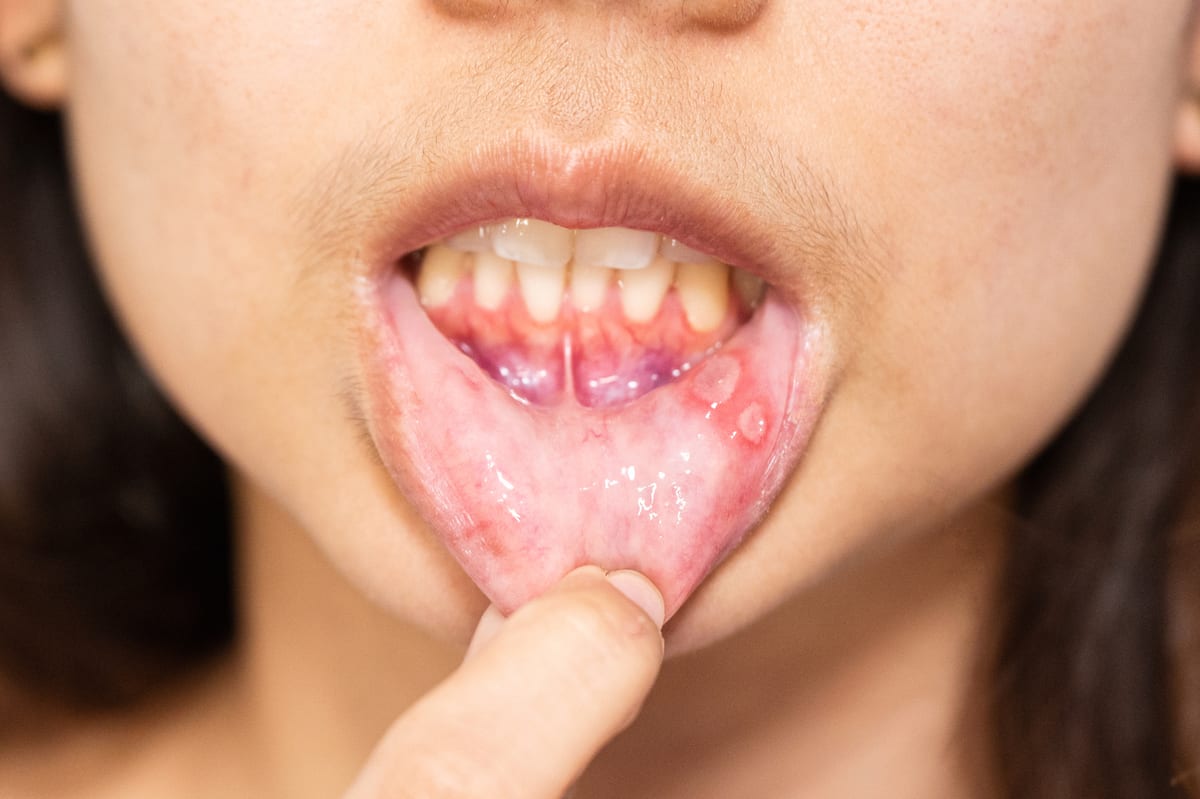


Wondering how long gum disease treatment results last in Smyrna? Dr. Noah Shafer at Creekview Dental explains what to expect and how to maintain your results.
Tooth-Colored Fillings: Why Some Last 10 Years, Others Don’t
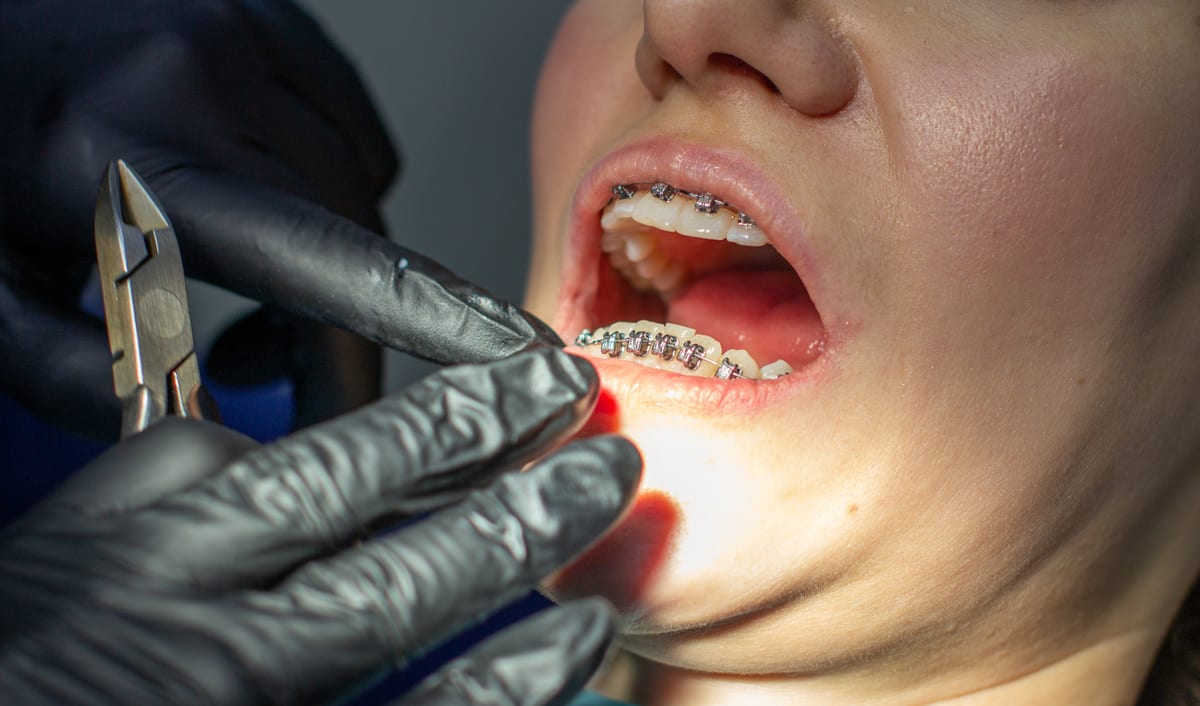
If you’ve had a tooth-colored filling placed, you’ve probably wondered how long it will actually last. The truth behind tooth-colored fillings and why some last 10 years while others don’t in Smyrna comes down to several factors. Some are within your control. Others depend on clinical decisions made during placement. At Creekview Dental, Dr. Noah Shafer helps patients understand exactly what affects their filling’s lifespan — so they can protect their investment in their smile.
What Are Tooth-Colored Fillings and How Do They Work?
Tooth-colored fillings are made from composite resin — a blend of plastic and fine glass particles. They bond directly to your tooth structure. This is different from older silver amalgam fillings, which relied on mechanical retention.
Because composite resin bonds chemically to enamel and dentin, it supports the remaining tooth better. It also allows Dr. Shafer to remove less healthy tooth structure during preparation. That’s a significant advantage for your long-term dental health.
However, composite resin is not indestructible. It responds to pressure, temperature, and oral conditions. Understanding how it behaves helps explain why longevity varies so much from patient to patient.
Why Tooth-Colored Fillings Last 10 Years — or Fall Short — in Smyrna Patients
Several key variables determine how long your filling will last. Some patients in Smyrna enjoy fillings that hold up for a decade or more. Others find themselves needing replacement sooner. Here’s what makes the difference.
- Size of the cavity: Larger fillings carry more stress and wear down faster than smaller ones.
- Placement technique: Composite must be placed in thin layers and properly cured. Rushing this step weakens the bond.
- Bite forces: Patients who grind or clench their teeth put significant pressure on fillings, shortening their life.
- Location in the mouth: Back molars handle far more chewing force than front teeth. Fillings in molars tend to wear more quickly.
- Oral hygiene habits: Poor brushing and flossing allow decay to develop around the filling edges, causing early failure.
- Diet: Frequent consumption of hard, sticky, or acidic foods accelerates wear and can dislodge fillings.
When Dr. Shafer places a composite filling at Creekview Dental, he takes each of these factors into account. Proper isolation, layering, and bite adjustment all contribute to a longer-lasting result.
What Shortens a Filling’s Lifespan?
Certain habits and conditions consistently reduce how long a tooth-colored filling lasts. Being aware of them puts you in a better position to protect yours.
Teeth grinding (bruxism) is one of the most common culprits. Many Smyrna patients grind at night without realizing it. Over time, this wears down the filling surface and can crack the material entirely. A custom nightguard can dramatically extend filling life if grinding is an issue for you.
Untreated gum disease is another factor that many patients overlook. When gum tissue recedes, the margins of fillings become exposed to bacteria and acids. This increases the risk of secondary decay forming at the edge of the filling. If you’re concerned about gum health, learning more about Gum Disease Smyrna treatment options is an important first step.
Chewing on ice, biting fingernails, or using your teeth as tools also puts excessive stress on composite resin. These habits create micro-fractures that compound over time.
How to Make Your Tooth-Colored Fillings Last Longer
The good news is that you have real control over how long your fillings last. A few consistent habits can add years to a filling’s lifespan.
- Brush twice daily with a soft-bristled toothbrush and fluoride toothpaste.
- Floss every day to remove plaque buildup between teeth and around filling edges.
- Visit Creekview Dental every six months for professional cleanings and examinations.
- Wear a nightguard if Dr. Shafer identifies signs of grinding or clenching.
- Avoid hard or sticky foods that put excessive stress on composite resin.
- Address dental problems early — small issues caught quickly rarely require large replacements.
Regular checkups are especially important. Dr. Shafer checks existing fillings at every visit. He looks for wear, cracking, or new decay forming around the margins. Catching a problem early often means a simple repair instead of a full replacement.
When to See a Dentist About a Filling — Emergency or Not?
Sometimes a filling fails unexpectedly. A tooth may feel sensitive to temperature, develop a sharp edge, or suddenly become painful. These are signs you should not ignore.
If a filling cracks or falls out, bacteria reach the exposed tooth structure almost immediately. This can lead to serious infection if left untreated. Knowing when to seek Emergency Dental Care Smyrna can protect your tooth from much more extensive damage.
Even without obvious pain, a loose or worn filling deserves prompt attention. Dr. Shafer and the Creekview Dental team are experienced in evaluating and restoring compromised fillings quickly. Early intervention is almost always simpler and less costly than waiting.
What Ongoing Maintenance Looks Like at Creekview Dental
Maintaining your tooth-colored fillings is not complicated — but it does require consistency. At Creekview Dental in Smyrna, Dr. Shafer builds long-term maintenance into every patient’s care plan.
During your regular visits, the team will polish existing fillings to remove surface staining and check the bite carefully. If a filling has developed a worn spot or a marginal gap, Dr. Shafer can often repair it without full removal. This preserves more natural tooth structure and extends the life of the restoration.
Patients with multiple fillings or a history of grinding may be seen more frequently. This allows any problems to be caught at the earliest possible stage. Proactive care is always the most effective approach.
Understanding the full picture of tooth-colored filling longevity empowers you to make smarter decisions about your dental care. With the right habits and the right dental team, a decade or more of healthy, beautiful fillings is absolutely achievable. Book Now to schedule your appointment with our team.
Frequently Asked Questions
How long do tooth-colored fillings typically last?
Most tooth-colored composite fillings last between 5 and 10 years. With excellent oral hygiene, regular dental visits, and no grinding habits, some last even longer. Larger fillings and those placed in high-pressure areas like molars tend to wear more quickly.
Can a tooth-colored filling be repaired instead of replaced?
Yes, in many cases Dr. Shafer can repair a filling rather than replace it entirely. This depends on the extent of wear or damage. Catching a problem early — before significant breakdown occurs — makes repair far more likely to be a viable option.
Do tooth-colored fillings stain over time?
Composite resin can pick up surface staining from coffee, tea, red wine, and tobacco over time. Professional polishing during your regular cleaning appointments helps minimize this. The filling itself does not change color permanently the way natural teeth can with whitening treatments.
Are tooth-colored fillings as strong as silver amalgam fillings?
Modern composite resin has improved significantly and is strong enough for most restorations. Amalgam still holds a slight edge in raw durability for very large restorations under heavy bite force. However, composite preserves more natural tooth structure and provides a much more natural appearance.
How do I know if my filling needs to be replaced?
Signs that a filling may need attention include tooth sensitivity to hot or cold, a rough edge you can feel with your tongue, visible discoloration around the filling, or pain when biting. Regular exams at Creekview Dental allow Dr. Shafer to identify wear or damage before you notice symptoms.
Related Posts