


Many people delay seeing a dentist because they believe gum disease treatment is painful. Bleeding…
How to Get Rid of Gingivitis Before It Turns Serious
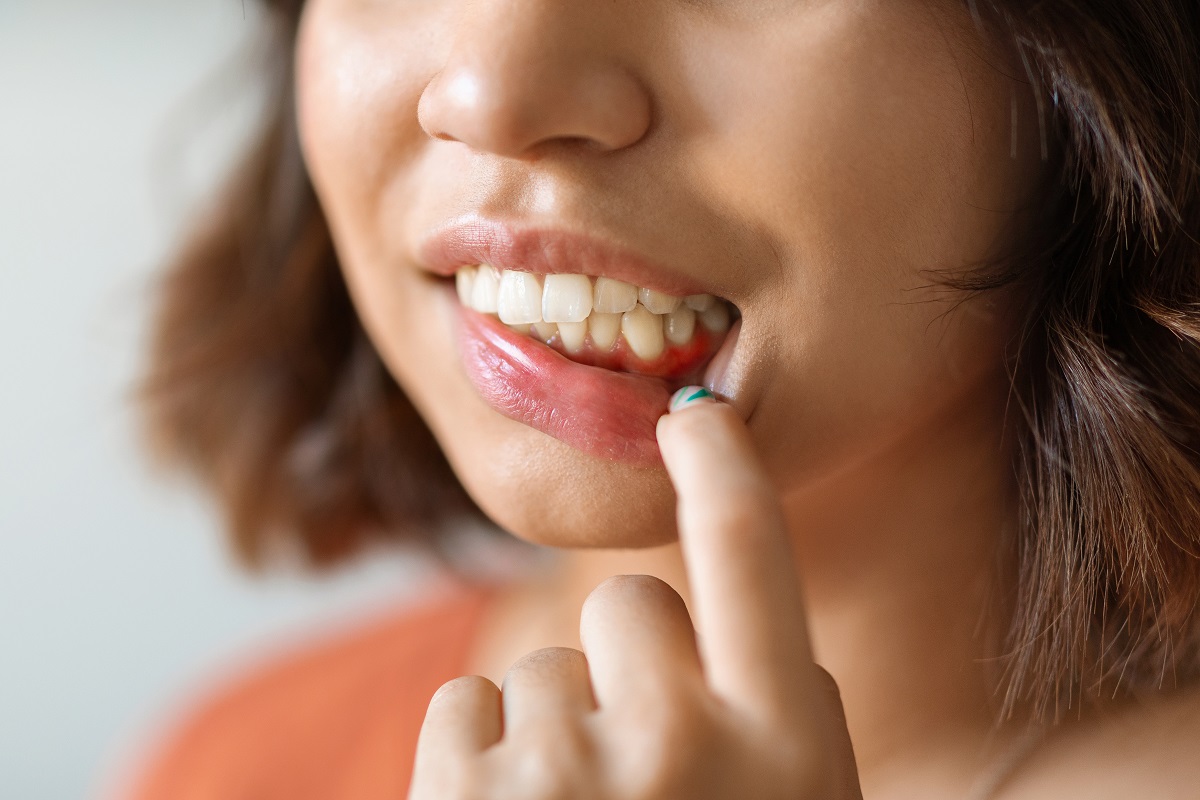
Yes, gingivitis is reversible if addressed early with proper care. Gum inflammation can feel frustrating and worrying. You might notice red, swollen gums, bleeding while brushing, or persistent bad breath. By understanding the causes and treatments, you can protect your smile and prevent more serious conditions like periodontitis.
At Creekview Dental, our dentists, Dr. Shafer and Dr. McNeely, have helped countless patients reverse gum disease through simple, effective strategies. With years of clinical experience and advanced dental training, they focus on practical, personalized care that helps patients restore healthy gums before problems become more serious. Dr. Shafer is known for his calm, patient-focused approach, while Dr. McNeely emphasizes comprehensive care tailored to each patient’s needs and long-term oral health. If you notice early signs of gingivitis, contact us today so we can help restore your oral health.
What Exactly is Gingivitis?
This form of periodontal disease that causes inflammation of the gingiva, the part of your gum around the base of your teeth. It is a biological response to plaque, a sticky film of bacteria that constantly forms on your teeth.
Plaque produces toxins that irritate the gum tissue. Over time, this causes the “puffiness” or redness you might see in the mirror.
The Difference Between Gingivitis and Periodontitis
It is helpful to think of gingivitis as a warning light. At this stage, your bones and ligaments haven’t been damaged yet.
However, if ignored, gingivitis can progress to periodontitis. This is a much more serious infection where the gums pull away from the teeth, creating pockets that collect even more bacteria and eventually destroy the bone supporting your teeth.
How to Tell if You Have Gum Inflammation
Many patients in Smyrna don’t realize they have gingivitis because it isn’t always painful in the beginning. You have to look for subtle cues from your body.
Common Symptoms to Watch For:
- Bleeding Gums: This is the most common sign, especially during brushing or flossing.
- Color Changes: Healthy gums are pale pink. Inflamed gums look bright red or even purple.
- Swelling: Gums that look puffy or feel “tender” to the touch.
- Bad Breath: Persistent halitosis that doesn’t go away with mouthwash is often caused by bacteria living in gum tissue.
Professional Advice: If your gums bleed when you floss, your instinct might be to stop flossing to let them “heal.” Actually, the opposite is true. They are bleeding because of bacteria, and flossing is the only way to remove them.
How to Prevent Gingivitis
Yes. With consistent oral care from a local dentist, you can reduce inflammation and restore gum health.
Pro Tips for At-Home Care:
- Brush twice a day properly: Use a soft-bristled toothbrush and gentle circular motions.
- Floss daily: Removing plaque between teeth prevents irritation along the gumline.
- Use an antibacterial mouth rinse: Helps control bacteria and reduce inflammation.
- Maintain a healthy diet: Foods rich in vitamin C and calcium strengthen gums and teeth.
- Avoid tobacco: Smoking can worsen gum disease and slow healing.
How Dentists Treat Gingivitis
At Creekview Dental, our approach depends on how advanced your gum inflammation is.
Professional Cleaning and Scaling
Brushing and flossing can’t remove all plaque and tartar. For early-stage gingivitis, a professional cleaning is often enough to restore gum health.
- Polishing removes surface stains
- Scaling clears bacteria from below the gumline
Periodontal Treatment for Advanced Cases
If gingivitis has progressed into early gum disease, periodontal treatment such as scaling and root planing may be recommended. This deep cleaning reaches below the gumline to remove harmful bacteria, reduce inflammation, and help prevent further damage to the gums and supporting structures around the teeth. Early periodontal treatment can also help stop gum disease from becoming more advanced.
Personalized Oral Hygiene Plan
We teach you techniques for brushing and flossing tailored to your mouth. Some patients benefit from electric toothbrushes or water flossers for better plaque removal.
Follow-Up Care
Gum healing takes time. Follow-ups allow us to monitor progress and adjust treatment if needed.
What to Expect During Your Visit
Many patients worry about dental visits. Here’s what happens when you visit our dental practice for gum care:
- Assessment: We examine your gums and teeth, often with X-rays to check below the surface.
- Cleaning or Scaling: Plaque and tartar are removed to reduce inflammation.
- Treatment Plan: We recommend a personalized plan, which may include home care instructions or scaling/root planing.
- Education: You’ll learn techniques to maintain healthy gums and prevent recurrence.
When to See a Dentist Immediately
Seek care if you notice:
- Persistent bleeding gums
- Receding gums or loose teeth
- Pus between teeth and gums
- Pain while chewing
Early care prevents long-term damage and protects jaw alignment and bite function.
Protect Your Gum Health Today
Gingivitis is reversible when caught early, but ignoring it can lead to serious complications, especially for patients with missing teeth concerned about bite and jaw support. With consistent home care, professional cleanings, and follow-up visits, you can restore gum health and protect your smile.
At Creekview Dental in Smyrna, Dr. Shafer and Dr. McNeely are here to guide you every step of the way. Book your consultation today to start reversing gum inflammation and protect your oral health for the long term.
FAQs
Can gingivitis go away completely with proper dental care?
Yes, gingivitis is reversible when treated early with professional cleanings and consistent oral hygiene. Removing plaque buildup and improving gum care habits can help the inflammation settle before permanent damage develops.
What are the earliest signs of gingivitis that should not be ignored?
Common early signs include red or swollen gums, bleeding during brushing or flossing, persistent bad breath, and gum tenderness. These symptoms often appear before pain develops, which is why many people overlook them.
How long does it usually take to reverse gingivitis?
Mild gingivitis may begin improving within one to two weeks after professional care and better home hygiene. However, complete healing depends on the severity of inflammation and how consistently the gums are maintained afterward.
What causes gum inflammation to develop in the first place?
Gum inflammation usually begins when plaque and bacteria collect around the gumline. Poor oral hygiene, smoking, dry mouth, hormonal changes, and certain health conditions can increase the risk of developing gingivitis.
Can untreated gingivitis turn into a more serious gum condition?
Yes, untreated gingivitis can progress into periodontitis, a more advanced form of gum disease that damages the supporting bone around the teeth. This can eventually lead to gum recession, loose teeth, and tooth loss.
What professional treatments help reverse gingivitis effectively?
Professional dental cleanings remove plaque and tartar that cannot be cleared with brushing alone. In some cases, deeper cleanings and antibacterial treatments may also be recommended to reduce inflammation and restore gum health.
How can daily oral hygiene habits help prevent gingivitis from returning?
Brushing twice daily, flossing consistently, and attending routine dental visits help control plaque buildup around the gums. Using proper brushing techniques and maintaining long-term oral hygiene greatly lowers the risk of recurring inflammation.
Related Posts